

Moving into a new residence marks an exciting milestone. The process involves a mountain of boxes, endless logistics, and a fresh landscape to explore. However, when the household includes a four-legged companion, the moving process introduces a unique layer of responsibility. Animals thrive on routine and familiar surroundings. Transporting them to an entirely unfamiliar space filled with strange smells and layout configurations can trigger significant anxiety and behavioral shifts. Stacking cardboard boxes high can cause quite a confusion.
To ensure a smooth transition, homeowners must prioritize the physical safety and psychological well-being of their animals from day one. Creating a structured plan before the moving truck arrives prevents common pitfalls, such as runaway pets or accidental poisonings. Successful pet ownership in a new property relies heavily on balancing home maintenance with professional animal services. By breaking down the transition into actionable phases, families can transform an unfamiliar house into a safe, comfortable haven. Setting up a specific corner with their familiar bedding, favorite toys, and water bowls right away can offer a grounding sense of security amidst the surrounding chaos. Dedicated attention to daily dog care ensures the animal feels secure while family members unpack. Taking things one step at a time allows everyone to adapt naturally without unnecessary stress or chaos.
Evaluating and Fortifying the Backyard Perimeter
The outdoor area offers a wonderful space for play, but it also contains hidden hazards requiring immediate attention. Before allowing an animal to roam freely in the yard, a thorough inspection of the property boundaries is essential. Gaps under existing structures, rotting wood planks, or loose latching mechanisms on gates can easily lead to an unexpected escape. Homeowners should walk the entire perimeter, looking closely at the soil level where determined diggers might find a way out. Even a tiny gap can invite unexpected exploration.
If the current boundary structure is compromised or insufficient for the size and agility of the pet, seeking professional assistance is the safest choice. Contacting a reputable fencing company can resolve these vulnerabilities before they turn into emergencies. These specialists can install durable barriers, add height to prevent jumping, or reinforce the base of the structure to deter burrowing. A secure boundary provides peace of mind, allowing families to let companions enjoy fresh air safely. Investing in quality containment solutions upfront protects the animal from traffic, local wildlife, and the risk of getting lost in an unfamiliar neighborhood. It remains a critical step in the move-in process.
Eradicating Unseen Threats Before Moving Day
While a secure perimeter keeps animals inside, homeowners must protect pets from small hazards in the grass or foundation. Moving into a house that has sat vacant, or one previously occupied by other animals, often means dealing with hidden insects. Fleas, ticks, spiders, and rodents present serious health risks to both humans and animals. These pests can transmit dangerous diseases, cause painful allergic reactions, or lead to severe infestations if left unaddressed. This avoids locking pests behind heavy furniture arrays.
Addressing these issues is much easier before furniture is brought into the building. Scheduling a comprehensive pest control treatment ensures that the home and yard are completely clear of unwanted invaders. It is important to work with professionals using formulas safe for animals once dried completely. Treating the perimeter of the foundation and the yard creates a protective shield that lasts for months. This proactive step prevents flea outbreaks or spider bites during the first few weeks. Clean, bug-free environments support long-term health and wellness for everyone.
Deep Cleaning Floors to Remove Traces of Previous Animals
Indoor environments require just as much preparation as outdoor spaces. Even if a house looks perfectly clean, an animal possesses a sensitive sense of smell that detects old pheromones. If the previous occupants owned pets, the carpets and rugs will hold deep-seated scents that can trigger territorial marking or anxiety in a new animal. Removing these invisible scent triggers is a vital step in helping a companion feel truly at home. Adequate drying times protect sensitive animal paws.
Standard household vacuuming simply cannot reach the deep fibers where dander and odors reside. Hiring a professional carpet service to perform a deep extraction clean eliminates these deeply embedded particles thoroughly. This process sanitizes the flooring, removes stubborn stains, and neutralizes odors rather than merely masking them with artificial fragrances. Refreshed floors help the incoming animal view the space as a clean slate, reducing the urge to mark territory. A sanitary floor also minimizes allergens, contributing to better respiratory health for the entire family. Clean floors set the perfect stage for a fresh, happy start.
Selecting a Primary Medical Care Provider
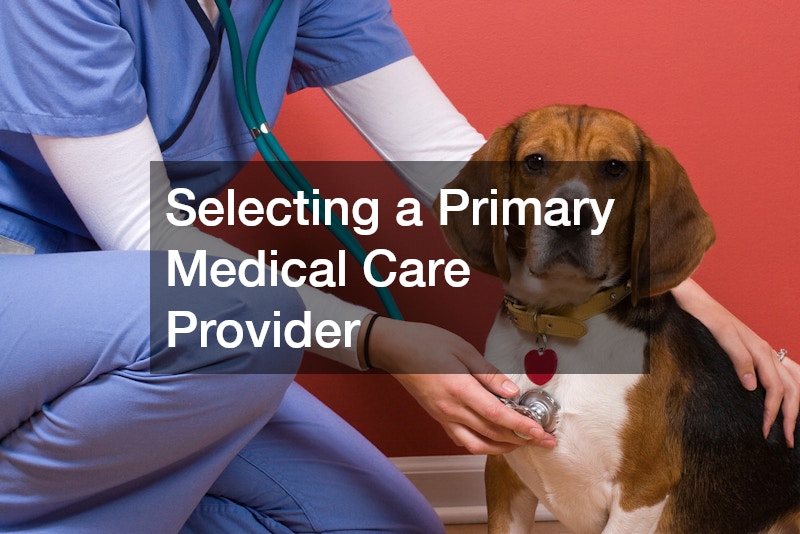
Once the physical structure of the home is safe and clean, attention must shift to building a local support network. One of the most important decisions a pet owner makes is selecting a medical professional to oversee long-term health needs. Waiting until an animal becomes ill or requires an annual vaccination to look for a doctor can lead to rushed decisions and added stress. Bringing a favorite toy helps establish immediate comfort.
Researching local reviews and asking neighbors for recommendations helps narrow down the choices. A qualified veterinarian will possess the right combination of medical expertise, a compassionate approach, and a clean, modern facility. Requesting these digital files from the previous medical provider before the moving trucks arrive streamlines this administrative task significantly. Establishing a relationship early allows the doctor to review previous medical records, understand the unique history of the animal, and create a customized wellness plan. This introductory visit gives the pet an opportunity to experience the medical office in a low-stress setting. Having a trusted medical professional aligned with the family ensures consistent care through every stage of life.
Mapping Out Nearby Medical Facilities
In addition to finding a specific doctor, identifying the location of the physical office is highly practical. Knowing the exact route to the local clinic saves precious time during busy weekdays or unexpected situations. Proximity plays a major role in reducing travel stress for animals that dislike riding in vehicles. Familiarizing yourself with the neighborhood facility eliminates stress.
A well-established vet clinic should offer accessible hours, a responsive administrative team, and a comprehensive range of diagnostic tools. Visiting the facility ahead of time allows owners to observe the cleanliness of the environment and the friendliness of the staff. It also provides a chance to submit paperwork, transfer microchip registration details, and learn about the specific policies regarding appointments or prescription refills. Becoming familiar with the neighborhood facility removes guesswork and ensures medical appointments fit seamlessly into the new schedule. Establishing this connection early provides a reliable safety net for everyday preventative care, ensuring that scheduling an appointment is never a stressful chore.
Preparing for Unexpected Medical Situations
While routine appointments keep a pet healthy, emergencies require a completely different level of preparation. Accidents can happen at any time, especially when an animal is exploring an entirely new home layout or yard. Knowing exactly where to go when the primary clinic is closed is a vital component of a responsible move-in checklist. Emergency situations require rapid decision-making, and looking up directions during a crisis adds dangerous delays. Keeping a copy on the fridge helps emergency sitters.
Every homeowner should locate the nearest 24-hour animal care hospital and save the contact information directly into their phone. These specialized institutions feature advanced trauma equipment, round-the-clock staffing, and surgical capabilities that standard daytime offices may lack. Drivers should physically travel the route once during non-emergency hours to familiarize themselves with parking and entrance locations. Understanding the intake process and financial policies of the emergency facility beforehand reduces panic during a stressful situation. Being fully prepared for the unexpected ensures that life-saving medical intervention is always just a short drive away.
Identifying Local Community Wellness Resources
Beyond emergency rooms and primary doctors, many communities offer versatile options for everyday health maintenance. Utilizing localized resources helps manage the ongoing costs of preventative treatment, such as heartworm medication, flea prevention, and routine lab work. These specialized centers focus heavily on accessibility and educational outreach for local pet owners.
A community pet health clinic often provides walk-in services for standard needs, making it easier to keep up with essential health documentation. These facilities are excellent resources for staying compliant with local licensing laws, which frequently require proof of current rabies vaccinations. Gathering these records and keeping them in a dedicated folder ensures easy access for grooming appointments or travel needs. Utilizing these community resources helps families stay on top of preventative care without overwhelming their schedules. A proactive approach to wellness builds a solid foundation for a long, vibrant life in the new neighborhood. Taking advantage of these specialized services makes managing routine healthcare efficient, allowing families to spend less time worrying and more time enjoying their new environment.
Addressing Behavior and Training in a New Layout
A new home brings a completely different set of sensory inputs for an animal. Different sounds from the street, unfamiliar delivery workers, or a multi-story layout can cause changes in a pet’s behavior. An animal that was perfectly calm in an apartment might become anxious when given access to a large house, or vice versa. Addressing these behavioral shifts early prevents bad habits from becoming permanent fixtures of daily life.
If an animal exhibits signs of heightened reactivity, separation anxiety, or confusion regarding house training rules, professional guidance can make a significant difference. Working with a skilled dog trainer helps translate these environmental stressors into positive learning experiences. Practicing these exercises for just ten minutes each morning establishes a reliable routine that keeps the animal grounded and focused. These experts teach owners how to establish clear boundaries, build confidence in new rooms, and manage reactions to unfamiliar neighborhood noises. Consistent, positive reinforcement sessions help the animal understand what is expected of them in the new space. Investing time into structured guidance during the initial weeks fosters a peaceful, harmonious household dynamic built on mutual trust.
Arranging Reliable Short-Term Accommodation Options
Moving often involves subsequent travel, whether for work obligations, family visits, or unpacking vacations. Additionally, there may be days when contractors are working inside the home, creating noise and leaving doors open. During these chaotic periods, keeping an animal on the property can be stressful and potentially dangerous. Finding a secure alternative environment ensures the safety of the pet while allowing home projects to proceed smoothly.
Researching an exceptional pet boarding facility before the need arises is a wise step for any new resident. These modern accommodations offer structured schedules, supervised socialization, and safe environments managed by trained professionals. This forward-thinking strategy eliminates last-minute stress when unexpected work obligations or sudden family emergencies require your full attention away from the property. Visiting the facility for a tour allows owners to inspect the sleeping quarters, outdoor play yards, and safety protocols. Booking a short, single-day trial stay can help an animal become familiar with the staff and the routine before an extended stay is necessary. Having a trusted destination ready for temporary care provides incredible flexibility and relief for busy homeowners.
Long-Term Success in a New Sanctuary
Settling into a new home is a journey that unfolds over weeks and months, rather than a single weekend. Animals require time to process their new surroundings, establish their favorite resting spots, and learn the rhythms of the neighborhood. Patience, consistency, and proactive preparation are the cornerstones of a successful move. By systematically addressing safety, cleanliness, medical care, and behavioral support, homeowners create an environment where their companions can truly blossom. Familiar surroundings eventually bring deep, long-term peace.
The effort invested during the initial moving phase pays substantial dividends in the form of a calm, secure, and healthy household. Each completed item on the checklist reduces potential risks and eliminates unnecessary friction. Embracing the transition with patience ensures that the initial moving hurdles quickly fade into distant memories. As the boxes are recycled and the rooms take shape, the new house ceases to be just a building. It becomes a true sanctuary where the entire family, including its most cherished animal members, can look forward to building a lifetime of happy memories together.