
Every household with a companion animal will eventually face a moment of uncertainty regarding physical health and overall wellness. A dog might suddenly refuse breakfast, or a cat might hide behind furniture with unusually low energy. During these unpredictable moments, determining the exact severity of the situation is often the most challenging task for any pet owner. Understanding basic triage principles allows individuals to respond calmly and make practical decisions when seconds count. Some symptoms represent minor bumps in the road that resolve with rest, while others demand rapid intervention from medical professionals trained in emergency life support.
A primary challenge in home first aid involves distinguishing between a routine medical issue and an immediate life-threatening crisis. General health maintenance, routine vaccinations, and non-critical ailments are ideal matters to discuss with a trusted local veterinarian who understands the animal’s complete medical history. On the other hand, sudden trauma, toxic exposure, severe bleeding, or acute respiratory distress requires the specialized equipment found at a dedicated emergency vet clinic. Knowing where to turn before an unexpected situation arises reduces panic and ensures that animals receive appropriate treatment at the right facility. Taking time to observe vital signs and maintain an emergency contact list equips families to protect their pets with confidence.
Recognizing Non-Urgent Medical Conditions
Not every physical setback requires a late-night dash to an emergency facility. Many common health issues, while uncomfortable, are mild enough to wait for a standard appointment during regular business hours. For instance, minor skin irritations, small superficial scrapes that have stopped bleeding, and slight eye watering usually fall into the non-urgent category. Similarly, a single episode of mild vomiting or loose stool in an energetic animal does not typically signal an immediate crisis. As long as the pet remains bright, alert, and willing to drink water, owners can monitor the situation at home for twenty-four hours without immediate intervention.
When non-urgent physical symptoms persist over several days, scheduling a formal visit with primary care vets is the safest course of action. Conditions like ongoing ear scratching, persistent skin itching, mild limping after play, or subtle shifts in appetite benefit from a physical evaluation. A standard animal clinic is fully equipped to perform diagnostic lab work, skin scrapings, and routine X-rays to uncover the root cause of lingering discomfort. Partnering with a regular medical team allows for systematic testing without the stress and higher costs associated with after-hours critical care. Observing minor symptoms and taking notes regarding diet and activity levels gives practitioners valuable clues to formulate an effective treatment plan.
Identifying True Red-Flag Urgencies

In stark contrast to mild ailments, certain red-flag symptoms indicate a catastrophic medical event that cannot wait for a regular appointment. Severe respiratory distress, characterized by open-mouthed breathing in felines, pale or blue-tinged gums, and exaggerated chest movements, tops the list of critical warnings. Another major emergency is gastric dilation-volvulus, commonly known as bloat, where an animal’s stomach expands and twists. Classic signs include unproductive retching, severe abdominal distension, extreme restlessness, and rapid heart rates. Uncontrollable bleeding, sudden weakness, unresponsiveness, repetitive seizures, and an inability to pass urine also demand immediate stabilization.
When any of these severe signs appear, bypass standard appointment schedules and transport the pet straight to an emergency vet clinic equipped with advanced surgical suites and oxygen therapy. Waiting even an hour in these scenarios can lead to irreversible organ damage or fatal complications. Highly trained veterinarians and veterinary technicians in critical care units are prepared to administer intravenous fluids, blood transfusions, pain management, and life-saving operations the moment the patient arrives. Recognizing these dire warnings removes dangerous guesswork during high-stress moments. Pet owners should keep the address and phone number of the nearest twenty-four-hour facility easily accessible to streamline transport when an acute crisis strikes.
First-Aid Basics for Sudden Traumatic Injuries
Accidents can occur in the blink of an eye, whether a pet slips off a high porch, suffers a fall, or sustains a deep bite wound during an unexpected altercation. Administering immediate first aid can stabilize an injured animal and prevent secondary shock while transportation arrangements are being finalized. For active bleeding, apply direct, steady pressure using a clean towel or sterile gauze square. Avoid applying tight tourniquets unless specifically instructed by a medical expert, as improper technique can restrict circulation and cause permanent tissue damage in distal limbs.
When dealing with suspected bone fractures or spinal trauma, keep the animal as still as possible on a flat, rigid surface, such as a sturdy wooden board covered with thick blankets. Avoid twisting the spine or manipulating bent limbs, which can sever surrounding blood vessels or damage delicate nervous tissue. Before rushing out the door, place a quick telephone call to your local veterinarian so the facility staff can prepare a treatment bay and triage materials prior to arrival. Communicating vital details during transit allows primary care vets to assemble necessary medical equipment, leading to faster stabilization upon arrival. Maintaining a calm voice while speaking softly to the injured pet also helps lower their elevated heart rate.
Triage and First Aid for Household Poisoning

Accidental ingestion of toxic substances is a frequent cause of sudden illness in residential households. Common home hazards include human prescription medications, dark chocolate, raisins, xylitol artificial sweeteners, rodenticides, and specific indoor flora. Felines are particularly vulnerable to household toxins due to their distinct metabolic pathways and meticulous grooming habits. For example, grooming a small amount of lily pollen off its fur can cause acute renal failure in a large maine coon cat within a remarkably short timeframe. Recognizing the early indicators of poisoning, such as excessive drooling, sudden muscle tremors, dilated pupils, vomiting, and extreme lethargy, is essential for survival.
If toxicity is suspected, quickly gather any remaining packaging, plant remnants, or chemical containers to show medical staff upon arrival. Do not attempt to induce vomiting at home using hydrogen peroxide or salt solutions unless explicitly directed to do so by a poison control specialist or a professional at a local animal clinic. Inducing vomiting improperly can cause severe chemical burns to the esophagus or lead to dangerous aspiration pneumonia if toxic fluids enter the lungs. Prompt professional intervention enables care providers to administer specific antidotes, activated charcoal, or aggressive intravenous fluid therapy before permanent systemic damage occurs.
Health Considerations During Group Play and Activity
Engaging in high-energy social activity offers tremendous mental enrichment and physical exercise for energetic dogs, but it also carries potential risks for minor physical injuries and exhaustion. Strenuous running, rough wrestling, and repeated fetch games can sometimes lead to torn footpads, broken nails, muscle sprains, or heat-related illness during warmer weather. Monitoring dogs for signs of physical fatigue, such as heavy panting, lagging behind the group, or uncoordinated movement, helps prevent simple exertion from turning into dangerous heat exhaustion. Providing shaded rest areas, abundant fresh water, and scheduled quiet time ensures that group play remains safe and beneficial.
When selecting a quality dog daycare facility, owners should inquire about employee training regarding play group management and basic animal emergency response. Caregivers must know how to break up minor scuffles safely without placing human hands near snapping jaws, which can lead to severe bite wounds for both humans and animals. Furthermore, working regularly with a certified dog trainer can improve an animal’s social cues, recall reliability, and impulse control, significantly reducing the likelihood of conflict during group interactions. Knowledgeable supervisors who recognize early subtle signs of stress can step in long before physical altercations occur, protecting every animal in the group.
Medical Preparedness When Traveling or Out of Town
Planning a vacation or business trip requires thorough preparation to guarantee an animal’s safety, comfort, and health while primary caregivers are away from home. Before dropping off a companion animal at a professional care facility, owners must ensure all routine vaccinations, parasite preventatives, and health checks are completely up to date. Providing comprehensive medical records, detailed feeding instructions, and pre-portioned food prevents acute digestive upset and minimizes stress-induced intestinal problems. Clearly labeling all prescription medications with explicit dosages and administration schedules is equally vital for maintaining consistent daily health routines.
When evaluating various pet boarding services, inspect the facility to verify that security protocols, perimeter fencing, climate control systems, and sanitation standards meet high industry benchmarks. A reputable boarding kennel will always require emergency medical authorization forms before admitting a guest for overnight stays. These legal documents grant explicit permission for staff members to seek immediate professional medical attention if a pet develops a sudden illness or suffers an injury while the owner is away. Setting clear financial boundaries and specifying preferred care facilities in advance eliminates unnecessary delays during unexpected urgent situations. Leaving detailed contact information for yourself and your primary care practice gives facility staff the tools needed to manage health incidents responsibly.
Special Concerns for Large and Giant Breeds
Physical size plays a significant role in how medical emergencies present and how first aid must be administered. Extra-large canine breeds and oversized feline breeds possess unique anatomical traits that alter standard assessment procedures. For example, large felines such as the impressive maine coon cat are predisposed to specific cardiovascular conditions, including hypertrophic cardiomyopathy, as well as joint issues like hip dysplasia due to their heavy frame. Recognizing subtle signs of circulatory trouble, such as sudden rear-leg weakness, cold paw pads, or shallow breathing, requires attentive observation by owners familiar with giant-breed characteristics.
Similarly, giant dog breeds face heightened risks of severe deep-chest ailments like gastric volvulus, structural joint degeneration, and acute cardiac events. Transporting a compromised large animal poses significant physical challenges, often requiring two adults to lift the patient safely on a canvas stretcher to avoid aggravating spinal or joint injuries. Experienced veterinarians emphasize the importance of tracking baseline resting heart rates, gum coloration, and normal breathing patterns for oversized animals at home. Knowing normal baseline physical health for a large pet makes it far easier to spot subtle deviations before minor health issues turn into major crises. Tailoring first-aid responses to accommodate an animal’s physical size ensures safer handling during transit.
Safe Handling and Behavioral Triage Under Stress
Severe physical pain and intense fear can dramatically alter an animal’s demeanor, transforming even a docile pet into a defensive animal prone to biting or scratching. Recognizing physiological signs of extreme distress, such as flattened ears, wide dilated pupils, low growling, rigid body alignment, or vocalizing when touched, is crucial for human safety during home triage. Attempting to assist an injured pet without safety precautions risks serious bite injuries to human caregivers, which ultimately delays critical medical care for the suffering animal.
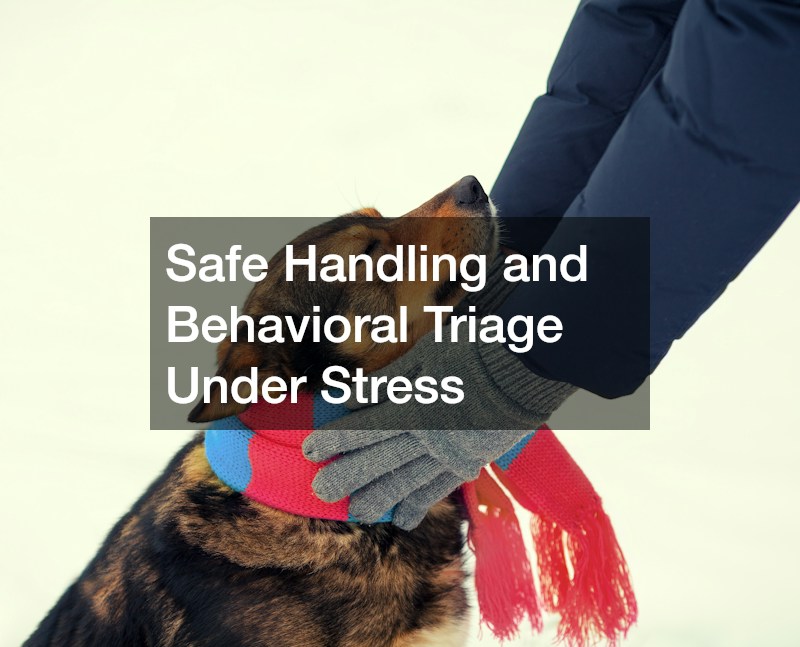
Using proper restraint techniques, such as gently wrapping a small animal in a heavy bath towel or applying a temporary soft muzzle to a dog, helps maintain control while minimizing pain during movement. However, never apply a muzzle if the pet is actively vomiting, bleeding from the mouth, or struggling to breathe. Insights gained from a professional dog trainer can teach owners how to acclimate pets to gentle physical restraint early in life, making emergency examinations far less traumatic. Similarly, pets that regularly participate in a structured dog daycare environment often develop higher tolerance for novel settings and handling. Establishing these behavioral foundations ahead of time ensures that when a real emergency strikes, the animal remains manageable and receptive to aid.
Building an Effective Home First-Aid Kit and Action Plan
Being prepared for pet health crises requires practical tools and an organized emergency strategy ready for immediate deployment. Every pet-owning household should build a dedicated first-aid kit stored in an easily accessible, water-resistant container. Essential supplies include sterile gauze pads, self-adhesive elastic bandages, antiseptic wipes, blunt-tipped safety scissors, digital thermometers, saline eye wash, wooden tongue depressors for splinting, and fine-tipped tick removal tweezers. Including a soft muzzle, protective collar, and extra slip leash ensures physical control remains safe during stressful events.
In addition to physical medical supplies, an effective action plan includes written documentation retrieved at a moment’s notice. Keep printed copies of vaccination records, medical histories, microchip identification numbers, and medication dosage instructions inside the kit container. If you frequently utilize pet boarding services while traveling, keep a duplicate copy of this kit and documentation in your vehicle or provide it to your care provider. Informing management at your chosen boarding kennel regarding specific medical conditions, emergency contacts, and preferred care protocols guarantees continuity of care even when you are far from home. Periodically checking expiration dates on topical ointments and replacing used supplies ensures your home setup remains fully functional whenever an unexpected injury or illness arises.