
Key Takeaways
- A refusal to eat lasting more than 48 to 72 hours is a strong signal that something serious is going on and warrants a veterinary visit.
- Thirst that stays normal or increases while appetite disappears often points to underlying issues like infection, organ dysfunction, or hormonal imbalance.
- Watch for secondary clues such as vomiting, lethargy, weight loss, pale gums, or changes in urination to help your vet narrow down the cause.
- There is a meaningful difference between a pet that won’t eat and one that physically can’t eat due to dental or throat pain.
- Simple at-home steps like warming food, offering bland meals, or hand-feeding can help in mild cases but should never replace professional evaluation when symptoms persist.
- Keeping a short written log of meals, water intake, and behavior changes gives your vet faster, more accurate information.
- Knowing in advance where you’ll go for after-hours care saves critical time during an emergency.
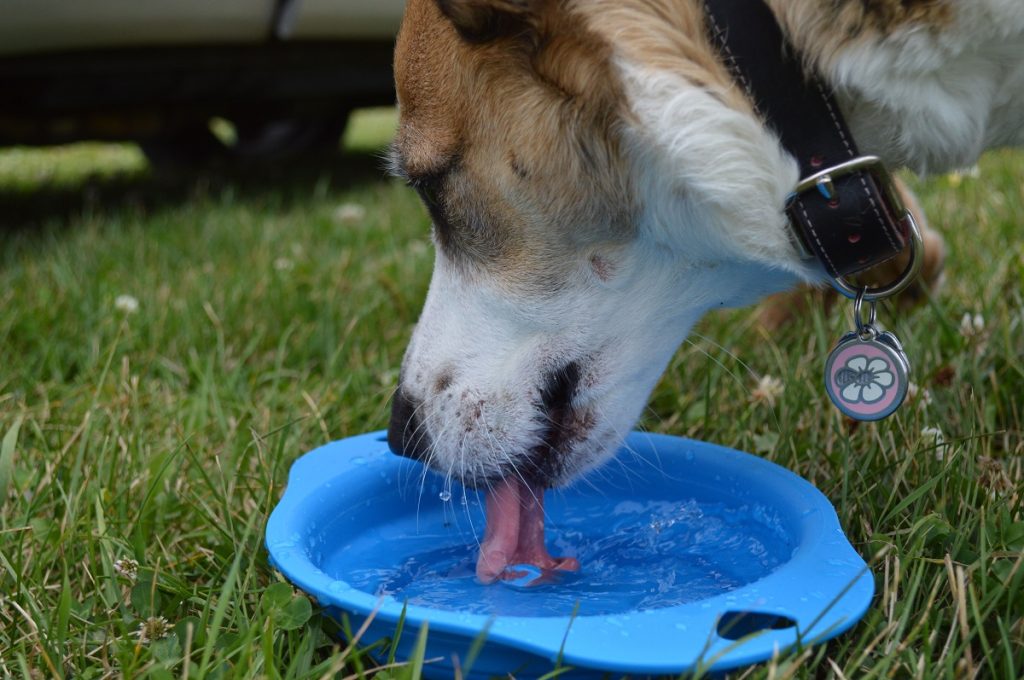
A dog that suddenly turns away from dinner but keeps lapping at the water bowl is sending a message. Dogs are creatures of routine, and food is usually near the top of their list of favorite things. When that enthusiasm vanishes overnight, it rarely means nothing.
Many owners wait a day, then two, hoping the appetite will bounce back on its own. Sometimes it does. But waiting without a plan can waste precious hours if the cause is something urgent like a blockage, infection, or organ trouble. The goal of this guide is to walk you through exactly what to do, step by step, from the first missed meal to the point where you call for help.
You don’t need to panic, but you do need to pay close attention. The combination of normal drinking and sudden food refusal is one of the clearest early warning signs in canine health, and knowing how to respond could change the outcome.
Step One: Confirm What You’re Actually Seeing
Before you assume the worst, take a few minutes to observe carefully. Appetite loss can look different depending on the dog, and jumping to conclusions can send you into a panic that may not match the reality of the situation. Some refuse all food outright, turning their nose up at the bowl the moment it hits the floor. Others nibble, walk away, and come back a few minutes later for another cautious bite. A few will accept treats or human food scraps but reject their regular kibble entirely, which can mean something different than a total food refusal. Some dogs even eat normally in the morning and then skip dinner, or vice versa. Each pattern tells a slightly different story, and sorting out which one you’re dealing with is the first real step toward understanding whether you have a sick dog on your hands or simply a picky eater having an off day.
Start by writing down the last time your dog ate a full meal and the last time they drank water. Note the amount as precisely as you can — half a bowl, three laps, a few bites of chicken from your plate. Precision matters here, because vague descriptions like “not much” or “a little” don’t give a vet enough to work with. According to the American Kennel Club, excessive thirst in dogs is paired with increased urination, so track trips outside as well, including whether the urine looks darker, lighter, or more frequent than usual. If your dog not eating but drinking water is also urinating more often than normal, that combination can point toward specific underlying issues like kidney problems or diabetes rather than a simple upset stomach. This simple log becomes gold when you’re sitting across from a vet trying to describe what’s happened, and it can shave valuable time off the diagnostic process.
Here’s what to check in the first few hours:
- Exact time of the last meal eaten normally
- Water intake over the past 12 to 24 hours
- Frequency and appearance of urination
- Energy level compared to a normal day
- Any vomiting, diarrhea, or unusual stool
- Changes in breathing, gum color, or posture
- Interest in walks, play, or greeting family members at the door
- Any recent changes in food brand, treats, or access to the trash
- Exposure to new environments, plants, or other animals in the past 48 hours
Step Two: Rule Out Simple Explanations First
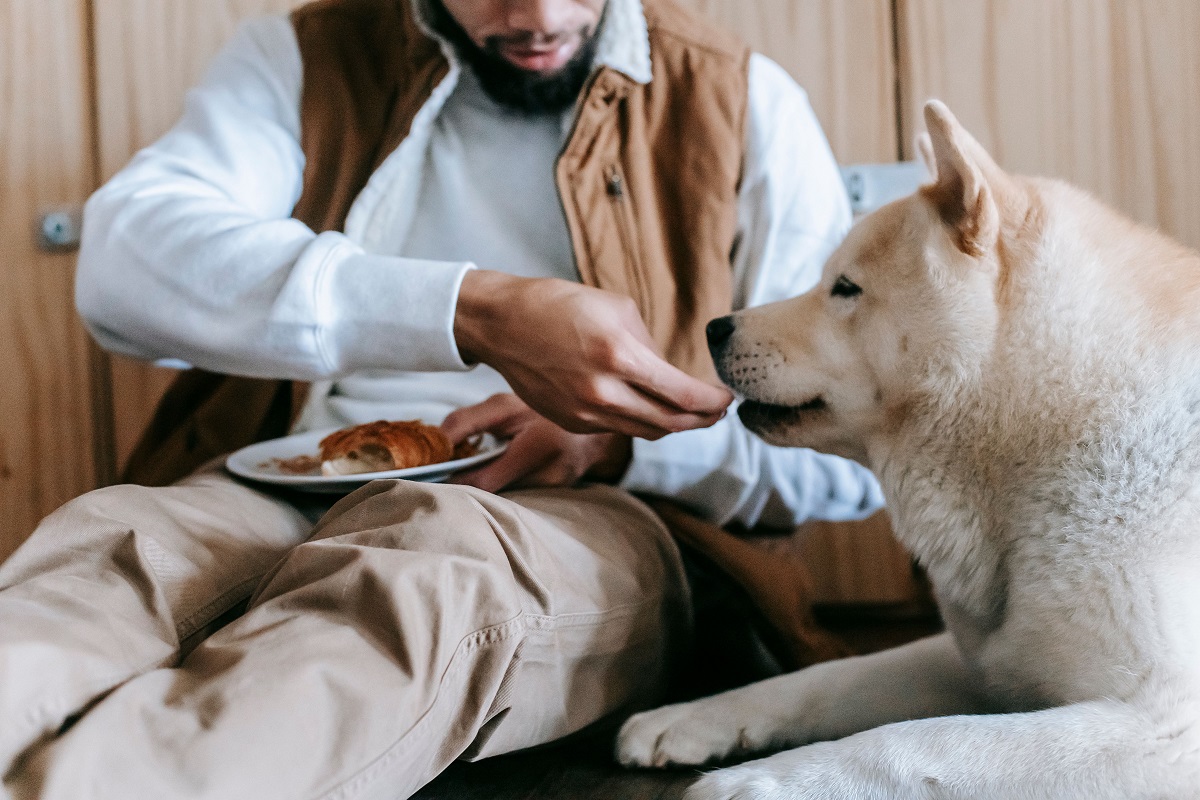
Not every missed meal is a crisis. Dogs skip food for plenty of ordinary reasons, and ruling these out early can save you an unnecessary trip and a lot of worry. Think about what has changed in the last day or two. New food? New treats? A move, a houseguest, loud construction, a thunderstorm, a recent vaccination?
Hot weather can also suppress appetite temporarily, and intact females in heat often eat less. If your dog is still bright-eyed, playful, and willing to go for a walk, you likely have a bit more time to observe before escalating. That said, drinking water without eating is never something to fully ignore, even when the dog seems otherwise fine.
When Hand-Feeding and Bland Meals Make Sense
If your dog is alert and acting mostly normal, try warming the regular food slightly to release more aroma, or offer a small portion of plain boiled chicken and white rice. Hand-feeding a few pieces can tempt a picky eater back to the bowl. Avoid rich human food, dairy, or anything fatty, which can trigger pancreatitis in an already unsettled stomach. If these gentle steps work within one meal cycle, keep monitoring. If they don’t, move to the next step.
Step Three: Know the Red Flags That Change the Timeline
Some symptoms turn a wait-and-see situation into an immediate call to the clinic. These are the signs that mean your window for watching at home has closed, and no amount of coaxing with chicken broth or warming up food is going to fix what’s actually happening underneath. A dog not eating but drinking water becomes far more concerning the moment any of these appear alongside the appetite loss, because together they often point to something systemic rather than a passing bad mood or minor stomach upset.
Think of these red flags as the difference between a sick dog that needs rest and a sick dog that needs a veterinarian within the hour. Even one of these symptoms, paired with refusal to eat, is enough to justify picking up the phone — you don’t need to wait for a second sign to appear.
Call your vet right away if you notice:
- Repeated vomiting or dry heaving, especially if nothing is coming up or if the retching happens every twenty to thirty minutes
- Pale, white, blue, or yellow-tinged gums, which can signal anemia, poor oxygenation, shock, or liver trouble
- A swollen, bloated, or hard belly, which in deep-chested breeds can indicate a life-threatening gastric torsion
- Extreme lethargy or inability to stand, including wobbling, dragging the back legs, or refusing to lift the head
- Collapse, seizures, tremors, or disorientation such as walking into walls or not recognizing family members
- Blood in vomit, stool, or urine — whether it looks bright red, dark like coffee grounds, or tarry and black
Each of these on its own warrants attention, but combined with a dog that won’t touch food, they strongly suggest the body is dealing with something it cannot handle alone. Pain, infection, organ dysfunction, and internal bleeding all commonly suppress appetite while leaving thirst intact, which is exactly why the drinking-but-not-eating pattern can be so misleading if you only focus on the water bowl.
According to Vets Now, a true refusal to eat is strongly linked to serious illness, while a dog that wants food but struggles with it is likely dealing with a mouth or throat problem instead. That distinction matters because it changes the questions your vet will ask and the exams they’ll run. A dog who approaches the bowl, sniffs eagerly, then backs away or drops the food is pointing you toward dental disease, a broken tooth, an oral mass, or something lodged in the throat. A dog who shows no interest at all, turns away from favorite treats, and hides in a quiet corner is telling a very different story — one your vet will investigate with bloodwork, imaging, and a hands-on exam rather than a dental probe.
Step Four: Understanding What the Symptoms Might Mean
Once you’ve gathered your observations, it helps to understand the categories of problems that typically cause this symptom pair. You won’t diagnose your pet from a blog article, and you shouldn’t try, but knowing the landscape helps you ask better questions and respond faster.
Common Underlying Causes to Discuss With Your Vet
Appetite loss combined with normal or heavy drinking can point in several directions. Kidney issues often cause increased thirst while nausea kills the appetite. Diabetes can produce the same combination. Infections, from a simple urinary tract infection to more serious systemic illness, often show up this way. Pancreatitis, intestinal blockages, dental disease, liver trouble, and certain cancers all belong on the list as well. Even emotional stress and medication side effects can play a role.
A sick dog may also have swallowed something they shouldn’t have. Socks, bones, corn cobs, and small toys are common culprits in obstruction cases, and these turn into surgical emergencies quickly. If you have any suspicion your dog ate something unusual, mention it immediately.
Why Won’t Your Pup Touch Food but Keep Lapping Water?
The reason this combination worries veterinarians is simple: thirst and hunger are controlled by different systems in the body. When one shuts down while the other stays active, it usually means something is interfering with digestion, nausea signaling, or metabolic balance rather than just general illness. Dehydration from vomiting or diarrhea can also drive heavier drinking even as food becomes unappealing.
According to Vetster, a complete refusal to eat for more than two or three days needs prompt veterinary attention. That 48 to 72 hour mark is not a comfortable buffer. It’s the outer limit. For puppies, senior dogs, small breeds, and dogs with existing health conditions, the clock moves much faster, sometimes within 12 to 24 hours.
Weight loss and ongoing refusal to eat also carry long-term weight. Research published through the National Center for Biotechnology Information found that reduced appetite ranks among the leading factors in end-of-life decisions for dogs, which underscores just how closely eating habits track with overall health.
Step Five: Making the Call and Preparing for the Visit
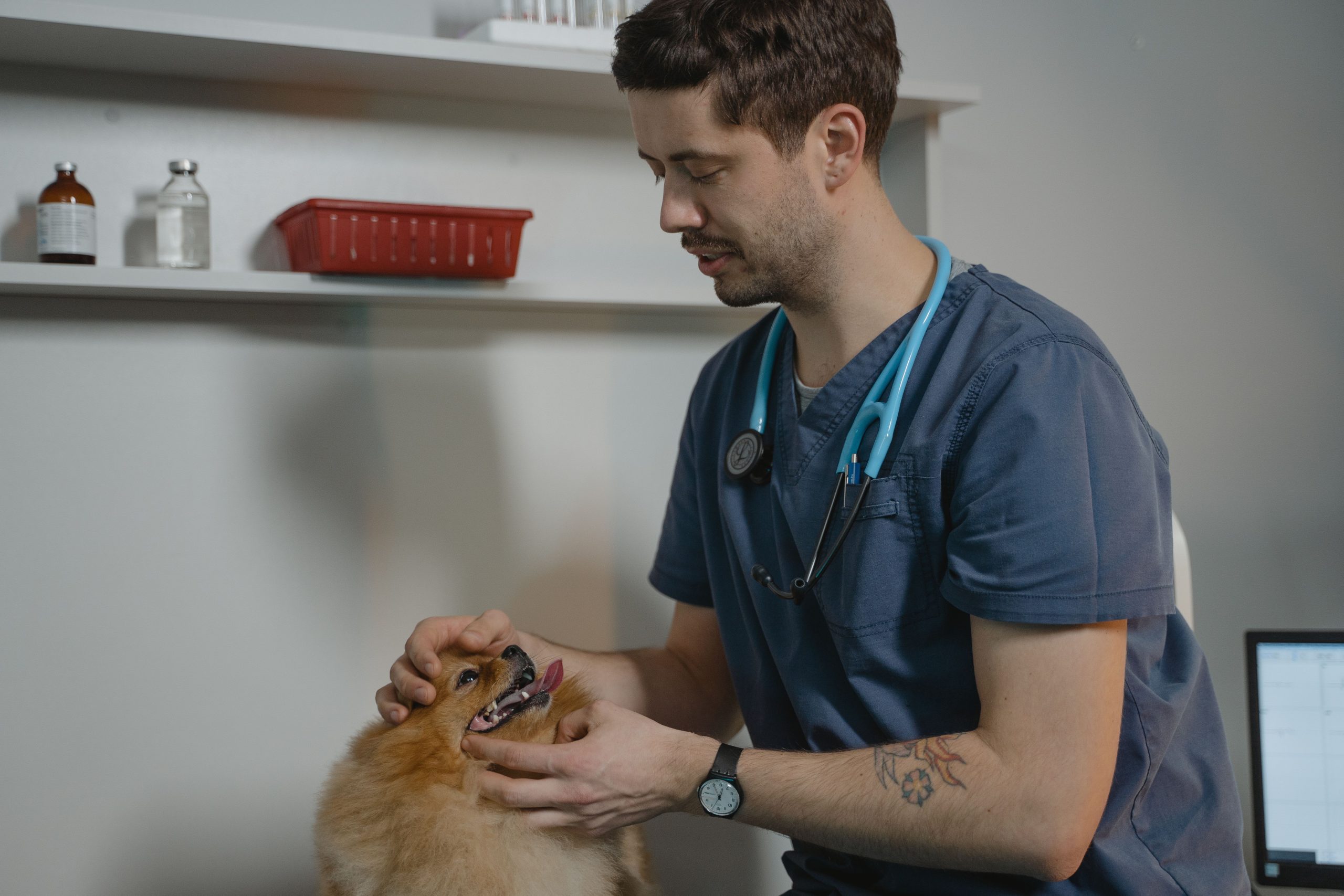
Once you’ve decided to seek help, timing and preparation matter. If it’s during regular hours, call your primary vet first and describe the symptoms over the phone. They may fit you in the same day or direct you to an urgent care facility. If symptoms worsen overnight or on a weekend, understanding when to choose an emergency vet or local clinic ahead of time keeps you from scrambling when minutes count.
Bring your written log with you. Include the brand and type of food your dog normally eats, any treats or table scraps from the past week, current medications and supplements, and a timeline of when the symptoms started. If you’ve noticed anything unusual in the yard, trash, or around the house that your dog might have gotten into, mention it without hesitation. Vets would rather rule something out than miss it entirely.
What to Expect During the Exam
A thorough workup usually begins with a physical exam, including palpation of the abdomen and a look inside the mouth. From there, your vet may recommend bloodwork, a urinalysis, X-rays, or an ultrasound depending on what they find. Bloodwork is especially useful because it reveals kidney and liver function, blood sugar, electrolyte levels, and signs of infection or inflammation all at once.
Be prepared for the possibility that your pet may need fluids, anti-nausea medication, or hospitalization for monitoring. Early intervention almost always costs less and produces better outcomes than waiting until the situation becomes critical.
Step Six: Supporting Recovery at Home
Once you have a diagnosis and treatment plan, your role shifts to careful home care. Follow medication schedules exactly, even if your dog seems to improve quickly. Offer small, frequent meals of whatever bland or prescription diet your vet recommends rather than a full bowl all at once. Keep fresh water available at all times, and continue tracking intake until things return to normal.
Rest matters too. Limit stairs, long walks, and rough play while your pup rebuilds strength. Watch for any return of symptoms, and don’t hesitate to call the clinic back if something feels off. Recovery isn’t always linear, and a brief setback is easier to address when you catch it early.
- Serve meals in a quiet, low-traffic spot
- Avoid introducing new foods or treats during recovery
- Weigh your dog weekly to track progress
- Keep a short daily note on appetite, energy, and bathroom habits
- Schedule the follow-up appointment before you leave the clinic
The Bottom Line
A dog that stops eating but keeps drinking is telling you something you can’t afford to brush off. Whether the cause turns out to be a mild stomach upset or something that needs immediate medical care, your attention in those first hours shapes what happens next. Trust what you’re seeing, document it clearly, and don’t talk yourself out of calling the vet when your gut says something is wrong.
The dogs who recover fastest tend to belong to owners who act early, communicate well with their veterinary team, and follow through on aftercare. You don’t need a medical degree to be that kind of owner. You just need to pay attention, prepare in advance, and know where to turn when the moment arrives.
Keep this guide bookmarked, keep your vet’s number saved, and keep a small notebook near the food bowl. Those three small steps will serve you well through every stage of your dog’s life, and they’ll give you the confidence to act decisively the next time something seems off.