
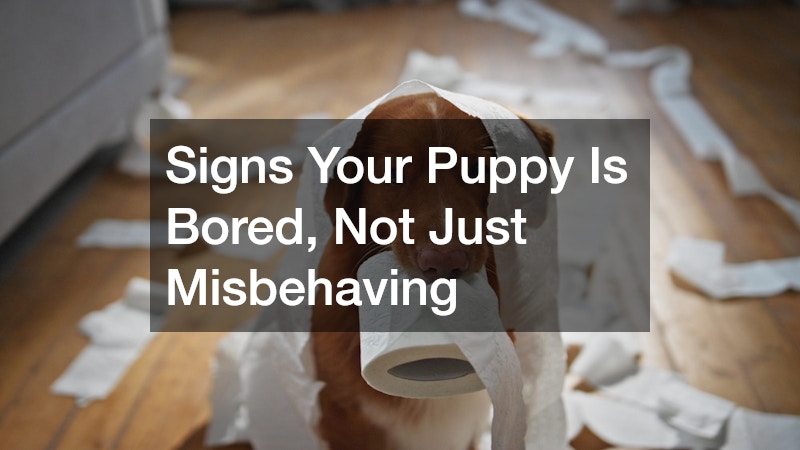
Chewed shoes, midnight zoomies, and constant barking can feel like a puppy is simply being defiant. But in many cases, what looks like bad behavior is actually a bored brain and an untapped body searching for something to do. Understanding the difference between misbehavior and boredom can save you frustration, protect your belongings, and help you build a stronger bond with your new dog. This guide breaks down the most common signs of puppy boredom and what you can do about each one.
Destructive Chewing on Household Items
Puppies chew as part of normal development, but when chewing becomes excessive or targets items far beyond appropriate toys, boredom is often the root cause. A puppy left alone with nothing to occupy their mind will naturally turn to furniture legs, shoes, remote controls, or baseboards to relieve pent-up energy. This behavior tends to spike during times when the puppy has had little mental or physical stimulation that day.
The key is distinguishing between teething-related chewing and boredom-driven destruction. Teething puppies usually focus on softer, cooler objects and chew in shorter bursts, while bored puppies chew persistently and seek out new items regularly.
- Multiple destroyed items appearing in a single day
- Chewing that starts right after you leave the house
- Interest in objects that have never been chewed before
- Chewing accompanied by whining or pacing beforehand
Excessive Barking or Whining for Attention
Vocalization is a normal way for puppies to communicate, but constant barking or whining, especially when nothing seems to be wrong, often signals an understimulated pup. This is particularly common in high-energy breeds that need consistent mental engagement to stay calm. If the barking stops the moment you provide a toy, playtime, or attention, boredom is likely the trigger rather than fear or discomfort.
Some owners mistake this vocal behavior for stubbornness or a training failure, when in reality the puppy is asking for an outlet. Addressing the root cause, rather than just correcting the noise, tends to produce longer-lasting results.
- Barking at nothing in particular for extended periods
- Whining that increases when left alone in a room
- Vocalizing that stops immediately with interaction
- Barking patterns that worsen on days with little activity
Restlessness and Inability to Settle Down
A puppy that paces, circles, or repeatedly gets up and lies back down may be dealing with excess energy that hasn’t been properly burned off. This restlessness is different from typical puppy energy bursts because it lacks direction and often appears frustrated rather than playful. Owners sometimes interpret this as hyperactivity or a training issue, but it frequently points to a need for more structured activity throughout the day.
One practical solution many families explore is enrolling their puppy in puppy day training, which combines structured exercise with mental stimulation during the hours owners are typically away or busy. This kind of consistent, guided activity helps burn energy in a productive way rather than letting it build up into frustration-driven behavior at home. Puppies who get this outlet often settle more easily once they return to their normal environment.
- Pacing in circles without a clear goal
- Difficulty lying down and staying settled for more than a few minutes
- Restlessness that appears worse in the evening after a quiet day
- Sudden bursts of running indoors with no obvious trigger
Digging and Escape Attempts in the Yard
Digging holes in the yard or attempting to squeeze through fence gaps can look like pure mischief, but it’s frequently a sign that a puppy is trying to create their own entertainment or find a way to explore. Bored puppies often develop these habits because their environment isn’t offering enough variety or engagement. This is especially common in puppies left outside alone for long stretches without toys, company, or changes in scenery.
Left unaddressed, digging and escape attempts can become deeply ingrained habits that are hard to break later. Rotating toys, adding supervised outdoor time with interaction, and varying the yard environment can all help reduce the urge to dig or wander.
- Digging concentrated near fences or gates rather than random spots
- Escape attempts that increase when left outside alone
- Interest in digging that starts shortly after being placed outdoors
- Reduced digging behavior on days with more supervised outdoor play
Overexcitement Around New People or Animals
A puppy that jumps, nips, or becomes overly wound up whenever they meet a new person or dog may simply be starved for social interaction. This reaction often stems from limited opportunities to safely practice being around others in a controlled setting. Without regular exposure, puppies can become overwhelmed by excitement the moment new stimulation appears. Think of it like a kid who’s been stuck indoors all week finally getting to the playground — the response is rarely calm or measured. A puppy who only sees visitors once or twice a month, or who gets limited time at the dog park, hasn’t had the chance to learn that new faces aren’t a rare event worth losing control over. The excitement isn’t defiance; it’s an untrained emotional response to something that feels novel and rare. This shows up in recognizable patterns: frantic jumping the moment the doorbell rings, mouthing hands or clothing during greetings, spinning in circles, or barking nonstop until the newcomer leaves. Some puppies also struggle to settle down long after the person or dog is gone, still pacing or panting from the leftover adrenaline. Regular, low-key exposure tends to fix this faster than corrections alone. Short, frequent greetings with neighbors, calm introductions to vaccinated dogs, or structured puppy classes can teach a puppy that new company is normal rather than a rare thrill. Over a few weeks of consistent practice, most puppies start to greet calmly instead of exploding with pent-up energy.
If your puppy explodes into a frenzy of jumping, barking, and spinning every time a visitor walks in or another dog appears on the horizon, that overexcitement is often a symptom of an under-stimulated brain rather than poor manners. A bored puppy hasn’t had enough practice processing novelty in a calm way, so new stimuli become the highlight of their day and trigger an outsized reaction. The fix isn’t more scolding—it’s more consistent, structured exposure. Regular socialization opportunities, such as time spent at a doggy daycare, can help puppies learn to regulate their excitement because they get consistent, supervised practice interacting with other dogs and people. A good daycare setting also lets staff step in and redirect a puppy before arousal tips into overstimulation, reinforcing calmer patterns rather than letting the frenzy run its course. Aim for at least one or two sessions a week if possible, since sporadic exposure tends to reset progress rather than build on it. Over time, this exposure tends to reduce the intensity of greetings and improve overall impulse control. Puppies who socialize frequently often show calmer, more measured reactions during everyday encounters, whether that’s a delivery person at the door or a new dog on a walk. You can reinforce this at home too: practice short, low-stakes “greeting drills” with familiar friends, rewarding four paws on the floor before allowing attention, so your puppy starts associating calm behavior with the payoff they actually want.
- Jumping or nipping that intensifies with new visitors, rather than settling within the first minute or two of a calm greeting
- Difficulty calming down even 5-10 minutes after the initial hello, long after a well-stimulated puppy would have relaxed
- Overexcitement that seems disproportionate to the situation, like frantic barking or spinning over a single houseguest or a dog spotted across the street
- Mouthing, humping, or body-slamming visitors as an outlet for pent-up energy rather than genuine aggression
- Improved behavior noticed after regular playdates, puppy classes, or group settings that give them a consistent outlet for social energy
- Reactions that stay intense regardless of who visits, suggesting the issue is stored-up energy rather than fear or poor socialization with specific people
Recognizing boredom as the source of unwanted behavior is the first step toward a calmer, happier puppy. Rather than relying solely on corrections, focus on adding variety, mental challenges, and consistent outlets for energy throughout your puppy’s day. Small changes, paired with structured support when needed, can make a noticeable difference within just a few weeks. Pay close attention to when these behaviors occur, and use those patterns to guide the adjustments your puppy actually needs.