

A dog’s coat says a lot about its overall health, and matted fur is rarely just a cosmetic problem. Left unchecked, tangles can pull on the skin, trap moisture, and hide painful sores or infections underneath. Knowing what to look for helps you catch problems early, before they turn into a costly vet visit or a stressful shave-down. This guide walks through the warning signs every dog owner should watch for and what steps to take when you spot them.
Identifying Early Signs of Matting
Matting often starts small, in areas where fur rubs together most, like behind the ears, under the armpits, and around the collar. At this stage, mats feel like small knots that can still be worked through with a comb, and catching them here saves your dog a lot of discomfort later. Waiting even a few weeks can let a minor tangle grow into a dense clump that pulls tight against the skin.
Pay attention to how your dog reacts when you pet or brush certain areas. Flinching, yelping, or pulling away often means a mat has already tightened enough to cause pain.
- Small knots behind the ears or under the collar
- Tangles that resist a comb but haven’t yet formed a hard clump
- Fur that looks dull or feels coarse compared to surrounding areas
- Visible debris, grass, or dried mud stuck in patches of fur
- Dog licking or biting at a specific spot repeatedly
Recognizing Skin Irritation Under the Coat
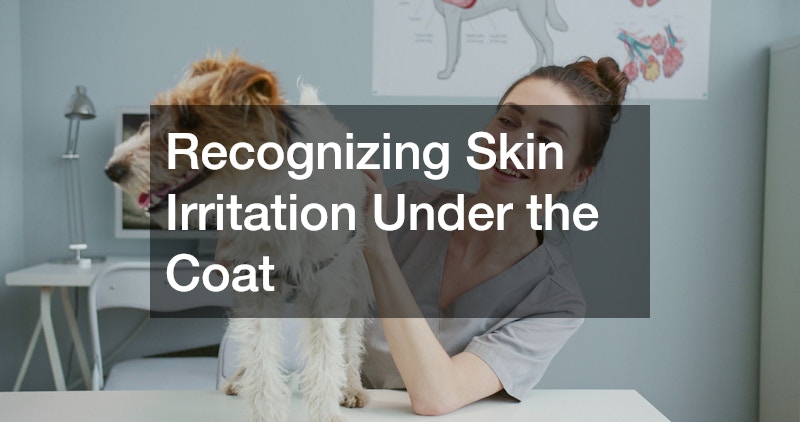
Mats do more than tangle hair; they trap moisture, dirt, and bacteria against the skin, creating conditions for irritation and infection. Once a mat pulls tight, it can restrict blood flow and cause redness, swelling, or open sores that go unnoticed under a thick coat. Some dogs develop hot spots, which are inflamed patches that spread quickly and often need prompt treatment.
It helps to part the fur regularly and check the skin directly rather than relying on how the coat looks from the outside. A healthy dog’s skin should be smooth, evenly colored, and free of flaking or greasy buildup.
- Redness or swelling where mats have pulled tight
- A sour or musty odor coming from the coat
- Flaky, greasy, or scabbed patches of skin
- Bald spots or thinning fur in specific areas
- Signs of parasites, like fleas or ticks, hiding in matted sections
Understanding Which Breeds Face Higher Risk
Some dogs are simply more prone to matting because of their coat type, and owners of these breeds need to be more vigilant about maintenance. Long-haired and double-coated breeds shed undercoat that can tangle with the topcoat if not brushed out consistently. Curly and wavy coats, like those on poodles and doodles, mat especially fast because the curl itself twists hair strands together.
Age and health also play a role, since senior dogs or those recovering from illness may move less and groom themselves less effectively. Overweight dogs can also struggle to reach certain spots, allowing mats to form in areas like the lower back and hindquarters.
- Long-haired breeds such as collies and shih tzus
- Double-coated breeds like huskies and golden retrievers
- Curly-coated breeds including poodles and many doodle mixes
- Senior dogs with reduced mobility or flexibility
- Overweight dogs unable to reach and clean all areas of their body
Choosing the Right Brushing and Bathing Routine
A consistent at-home routine is the single best defense against matting, and the right tools make a real difference. Slicker brushes work well for pulling out loose undercoat, while wide-tooth combs help detect knots before they tighten. Bathing too often can dry out the skin and worsen tangling, so it’s worth finding a balance based on your dog’s coat type and activity level.
If mats do form, resist the urge to cut them out yourself with scissors, since this often leads to accidental cuts on the skin underneath. Many owners find it easier to schedule regular dog grooming appointments, where a professional can safely remove mats, trim problem areas, and check the skin thoroughly during the same visit.
- Brush at least two to three times a week for medium to long coats
- Use a slicker brush for undercoat and a comb to check for hidden knots
- Bathe only as needed to avoid stripping natural oils
- Dry the coat fully after bathing, since damp fur mats more easily
- Trim fur around paws, ears, and the tail base where mats form fastest
Deciding When Professional Help Makes Sense
Once mats become dense or cover large areas, home tools often aren’t enough, and forcing the issue can hurt your dog. A professional groomer has clippers and techniques designed to remove matted fur safely without nicking the skin, and they can spot underlying issues like hot spots or infections during the process. For dogs who get anxious in unfamiliar settings, some services now offer mobile pet grooming, bringing the equipment directly to your driveway so your dog stays in a familiar environment throughout the appointment.
It’s also worth thinking ahead to situations where your dog’s coat might be neglected temporarily, such as during travel or a hospital stay of your own. Some boarding facilities include grooming checks as part of their daily care, which can catch matting before it becomes severe while you’re away.
- Mats covering more than a small patch of the body
- Mats close to the skin that can’t be worked through with a comb
- Visible pain, limping, or restricted movement caused by tight fur
- Signs of skin infection, including odor, discharge, or heat
- Extended travel or boarding periods where daily brushing may lapse
Staying ahead of matting comes down to regular attention, whether that’s a quick daily check with your hands or a scheduled brushing session each week. The moment you notice tangles tightening or skin looking irritated, it’s worth addressing right away rather than waiting for the problem to spread. Trust your observations, and don’t hesitate to bring in professional support when a mat is beyond what a home comb can handle. Your dog’s comfort and skin health depend on catching these signs early.