
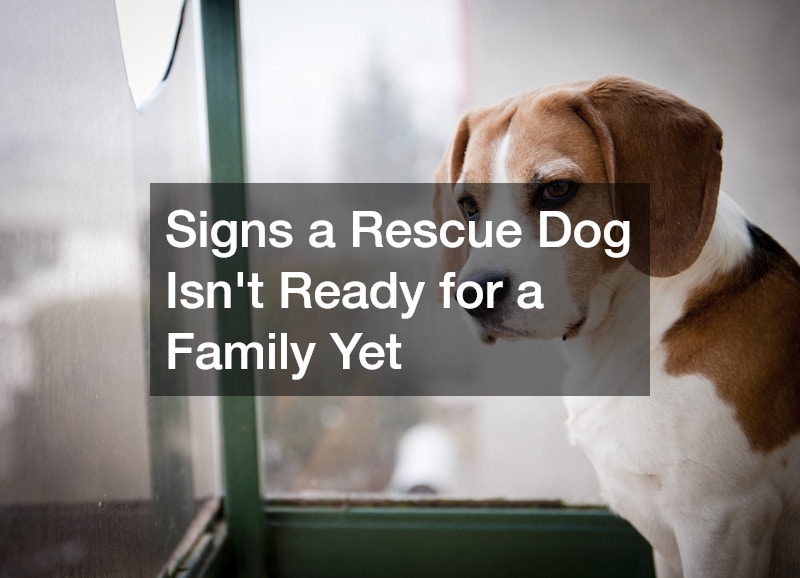
Bringing home a rescue dog is one of the most rewarding decisions a family can make, but timing matters just as much as intention. Many dogs come from stressful backgrounds, and rushing the adoption process can set both the dog and your household up for frustration or even danger. Recognizing the warning signs that a dog needs more time, training, or specialized support before joining a family is critical to a successful, lasting placement. This guide walks through the behavioral and physical cues that suggest a rescue dog may not yet be ready for the chaos of everyday family life.
Persistent Fear and Avoidance Behaviors
A rescue dog that consistently cowers, hides, or refuses to approach people even after several calm, low-pressure introductions may still be working through significant trauma. This is different from typical shyness that fades within a few days; persistent avoidance can signal that the dog needs more decompression time in a controlled environment before facing the noise and unpredictability of family life. Watch for specific patterns like tucked tails, flattened ears, lip-licking, yawning outside of tiredness, or a frozen posture when approached — these are all signs of chronic stress rather than simple nervousness. A useful benchmark: most dogs adjusting to a new environment show gradual improvement over one to two weeks, with brief moments of curiosity or relaxation creeping in. If three or four weeks pass with no change — the dog still bolts to a crate or corner at the sound of footsteps, won’t take treats from an outstretched hand, or avoids eye contact entirely — that’s a signal the timeline needs to be extended, not rushed. Children especially move quickly and speak loudly, which can overwhelm a dog that hasn’t learned to trust humans yet. Sudden hugs, high-pitched excitement, or a child’s tendency to make direct eye contact can all mimic threatening body language to a fearful dog, increasing the risk of a defensive nip. A dog that hasn’t shown steady progress with calm adults is not yet ready for the unpredictability that comes with kids.
- Hiding under furniture or in corners for hours at a time, even when the home is quiet and no one is nearby
- Refusing food or treats even when alone with familiar caretakers, or only eating after everyone has left the room
- Flattened body posture, tucked tail, or whale eye (whites of the eyes visible) when approached, even during calm interactions
- Panting or drooling excessively during routine interactions like leash clipping, feeding, or grooming
- Freezing in place or becoming stiff when touched, rather than leaning into contact or relaxing over time
- Startling severely at everyday sounds — footsteps, doors, dropped objects — well beyond a typical adjustment jumpiness
- No improvement in comfort level after two or more weeks of consistent, low-pressure exposure to the household routine
Unpredictable or Escalating Aggression Toward People
Growling, snapping, or lunging that escalates rather than decreases with gentle handling is one of the clearest signs a dog is not ready for a household with children or frequent visitors. These behaviors often stem from fear, resource guarding, or past mistreatment, and they require professional behavioral intervention before the dog can safely live in a family setting. Ignoring this warning sign can have serious legal and emotional consequences for everyone involved.
Families should understand that a bite is not always a single unpredictable event; it is often the final step in a pattern of warning signs that went unaddressed. If a bite does occur, many people find themselves needing to consult a dog bite lawyer to understand liability, medical costs, and next steps, which underscores why prevention through careful evaluation matters so much. Choosing not to rush an adoption is far less costly than dealing with the aftermath of a serious incident.
Extreme Reactivity to Household Noises and Objects
Some rescue dogs startle violently at everyday sounds like the vacuum, doorbell, or clattering dishes, reacting with barking, bolting, or attempts to escape. While mild noise sensitivity is common and often improves with patience, extreme reactivity that leads to destructive behavior or attempts to flee the home suggests the dog isn’t emotionally settled yet. This kind of hyper-vigilance can also make the dog a flight risk during transitions like moving between rooms or entering a yard.
- Bolting toward doors or windows when startled
- Chewing through crates or scratching at walls to escape
- Shaking or freezing in response to common household appliances
- Inability to settle even after the noise has stopped
Ongoing Medical or Nutritional Instability
Dogs coming from shelters or street situations sometimes arrive with untreated illnesses, parasites, or malnutrition that need to stabilize before they can handle the stress of a new home. A dog still recovering from surgery, fighting an infection, or adjusting to a new diet may show irritability or lethargy that mimics behavioral problems but is actually physical discomfort. Rushing this process can mask underlying health issues that need veterinary attention first.
Part of managing a dog’s recovery involves consistent monitoring of digestion and waste, since changes in stool can reveal a lot about how well a dog is adjusting. Foster caregivers and shelters often rely on scheduled dog waste removal routines to track these patterns without cross-contamination, which also helps identify parasites or dietary issues early. Families considering adoption should ask whether this kind of health monitoring has been part of the dog’s recent care.
Inability to Tolerate Time Alone or Confinement
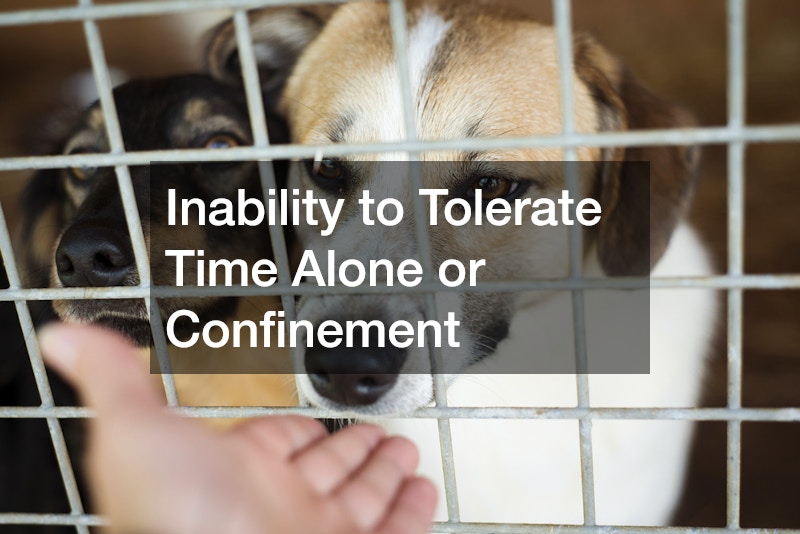
A rescue dog that panics, howls, or destroys property whenever left alone even briefly may be dealing with unresolved separation anxiety that needs structured training before entering a busy household. Families have jobs, school schedules, and errands, so a dog that cannot tolerate short periods of solitude will struggle significantly during the transition. This is especially important for households that anticipate needing dog boarding or pet sitters during vacations or emergencies, since a dog with severe anxiety may not do well in those settings either.
- Nonstop barking or howling within minutes of being left alone
- Attempts to break out of crates or rooms
- Self-injury from scratching at doors or windows
- Complete refusal to eat or drink while unsupervised
Lack of Basic Socialization With Other Animals
If a dog reacts with intense fear or aggression toward other animals during controlled meet-and-greets, this suggests limited prior socialization that hasn’t been addressed yet. Many family homes include existing pets, and introducing a reactive dog too soon can create dangerous situations for everyone in the household. Professional trainers often recommend gradual, supervised exposure over several sessions rather than a single meeting to properly gauge readiness.
- Stiff body language or fixed staring at other animals
- Growling or snapping during leash introductions
- Overly submissive urination or rolling that signals extreme stress
- No willingness to approach calmly after multiple attempts
Adopting a rescue dog is a journey that unfolds over weeks and months, not hours, and recognizing these warning signs early protects both your family and the dog’s long-term wellbeing. If you notice several of these behaviors, consider working with a rescue organization or certified trainer who can provide additional support before finalizing the adoption. Patience now can prevent heartbreak later, and it gives every dog the best possible chance to become a safe, loving member of the family.