
Bringing a newly adopted dog across your threshold is one of the most rewarding moments a pet lover can experience, yet the first few weeks often feel like navigating unfamiliar territory without a map. Unlike puppies raised from birth in a predictable home, shelter and rescue dogs arrive with unknown histories, lingering stress hormones, and unique emotional triggers. Animal welfare professionals frequently reference the “3-3-3 rule” to describe this transition: three days for your new companion to decompress from the sensory overload of the shelter, three weeks to start learning your household routines, and three full months to truly feel safe and secure in their forever home. During that delicate adjustment window, love and patience are your most powerful tools—but they are not the only ones you need.
Raising a happy, well-adjusted rescue dog takes a village, and the smartest thing any new adopter can do is assemble a reliable neighborhood support network before an urgent need arises. When your dog wakes up with an upset stomach on a Sunday morning, needs their nails trimmed without triggering panic, or requires trustworthy care while you travel for work, scrambling to read online reviews under pressure leads to stressful compromises. By proactively vetting key community partners during your first month together, you protect your dog from unnecessary anxiety and give yourself genuine peace of mind.
Establish a Routine Medical Baseline Within Your First Two Weeks

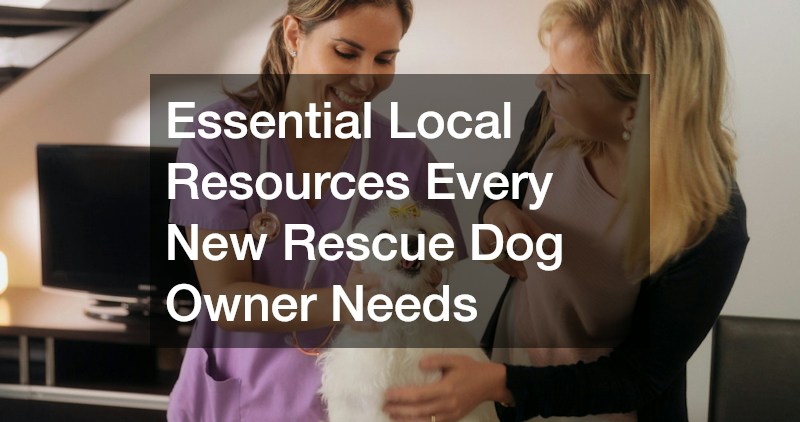
Even when a shelter or rescue organization provides thorough intake paperwork, initial vaccinations, and spay or neuter certificates, an adoption packet rarely tells the whole medical story. Shelter environments are high-stress spaces where contagious upper respiratory bugs, intestinal parasites, ear mites, and subtle dental fractures can easily go unnoticed or incubate until after your dog settles into a quiet home. Furthermore, rescue dogs often carry hidden orthopedic soreness or breed-specific sensitivities that only surface once they start walking regularly on neighborhood sidewalks. Booking a comprehensive wellness exam within your first ten to fourteen days creates an accurate health baseline and catches minor issues before they escalate into painful, expensive complications.
Selecting the right medical provider for a rescue dog requires looking beyond proximity and standard pricing. Many shelter alumni carry lingering fear around slippery exam tables, clinical odors, and unfamiliar handling. When researching clinics in your area, prioritize practices that emphasize low-stress, Fear-Free handling techniques and understand the unique behavioral nuances of adopted pets.
- Ask about lobby flow and separate waiting zones: An anxious rescue sitting inches away from a barking, lunging dog in a cramped reception area starts their exam with sky-high cortisol. Look for clinics that allow you to wait in your car until an exam room opens or offer separate entrances for nervous animals.
- Schedule a low-stakes “happy visit” first: Before your dog ever gets poked with a needle or has their temperature taken, ask if you can stop by for five minutes just to step on the scale, receive high-value treats from the receptionists, and walk right back out the door.
- Evaluate diagnostic capabilities under one roof: While a solo neighborhood clinic works wonderfully for routine boosters, a full-service pet hospital equipped with in-house blood analyzers, digital radiography, ultrasound, and dedicated dental suites saves your dog from the added stress of being referred to unfamiliar specialists when deeper diagnostics are needed.
- Verify transparent communication and preventative planning: A great veterinarian will take time to discuss regional parasite risks—such as heartworm, ticks, and leptospirosis—and tailor a vaccination and nutrition plan around your dog’s estimated age, weight, and lifestyle rather than rushing through a ten-minute checklist.
To get the most out of that initial appointment, arrive prepared with every document the shelter gave you, a fresh stool sample collected within four hours of your visit, and a written list of observations from your first week at home. Note how much water your dog drinks, whether their appetite fluctuates, how they rise after sleeping, and any subtle behaviors like head shaking or paw licking. Those small details give your medical team vital clues that a brief physical exam alone might miss.
Build an Urgent Crisis and Escape Response Plan Before You Need It
Statistics consistently show that newly adopted rescue dogs face their highest risk of bolting, slipping out of gear, or experiencing stress-related medical emergencies during their first thirty days in a new home. A slamming car door, a delivery driver knocking unexpectedly, or an unfamiliar backyard noise can trigger an instant flight response in a dog who has not yet bonded deeply with their new family. At the same time, rescued dogs are notorious counter-surfers and curiosity chewers as they explore domestic spaces, putting them at heightened risk for ingesting toxic human foods, medications, or household objects. Hoping an emergency never happens is not a strategy; building an actionable crisis response plan during week one ensures you react with speed and clarity if the unexpected occurs.
Start by mapping out after-hours medical care while your mind is calm and your dog is healthy. Primary care clinics close in the evenings and on weekends, which is inevitably when bloat, sudden allergic reactions, severe lacerations, or toxin ingestions strike. Knowing exactly where to drive at two in the morning shaves precious minutes off transit time when every second counts.
- Program urgent triage contacts immediately: Save the phone number and physical address of the nearest 24/7 local emergency vet service into your phone’s favorites, write the details on a card taped to your refrigerator for pet sitters, and do a quick practice drive so you know the exact entrance and parking layout.
- Learn the non-negotiable red flags: Familiarize yourself with symptoms that demand immediate urgent care rather than waiting until morning—including unproductive retching with a distended abdomen, pale or white gums, labored breathing, collapse, persistent vomiting, or known ingestion of grapes, xylitol, chocolate, or rodenticides.
- Double-check microchip registration and municipal licensing: Shelters typically implant a microchip before adoption, yet countless chips remain registered to the shelter rather than the adopter because paperwork gets overlooked. Log into the chip registry to confirm your current cell phone number and address, and file your dog’s license and chip number with local animal control so municipal officers can contact you directly if a Good Samaritan turns your dog in.
- Create a rapid lost-dog protocol: Keep a recent, clear, full-body photo of your dog saved in a dedicated folder on your phone, outfit your dog in a properly fitted martingale collar or escape-proof harness with an engraved ID tag, and know the immediate steps to file a lost-pet report with shelters and neighborhood networks the moment a gate is left unlatched.
When an urgent medical scare or an open-door escape occurs, panic causes people to freeze or waste time searching online directories. Having your urgent contacts, medical records, and identification systems locked in place on day one turns a potential tragedy into a manageable situation.
Introduce Low-Stress Hygiene and Coat Maintenance Gradually
Many rescue dogs step out of the shelter transport vehicle sporting a distinct kennel odor, dry flaky skin, compacted undercoat, or clicking, overgrown nails. A new owner’s instinct is to head straight for the bathtub or book a full makeover on day one so their new family member looks and smells fresh. However, rushing into intense hygiene routines before your dog trusts your hands can backfire dramatically. Restraint, rushing water, loud blow-dryers, and sharp clippers feel deeply threatening to a dog who is still trying to figure out whether you are safe.
Instead of treating coat care as an immediate cosmetic task, approach hygiene as a gradual trust-building exercise over your first month. If your dog was spayed or neutered shortly before adoption, you will also need to keep surgical incisions completely dry for ten to fourteen days anyway, giving you the perfect excuse to take things slow.
- Start with gentle spot-cleaning at home: During the first week or two, rely on warm damp washcloths, hypoallergenic wipe-downs, and soft bristle brushing to remove shelter dust without submerging your dog in a slippery tub. When you are ready for full dog bathing, place a non-slip rubber mat on the floor, use lukewarm water, keep a cup handy to pour water gently over their back instead of spraying their face, and reward generously with lick mats smeared with peanut butter.
- Practice two-minute daily handling drills: Spend a couple of minutes each evening touching your dog’s paws, lifting their ear flaps, gently running a comb along their flanks, and pairing every touch with high-value treats. Desensitizing your dog to touch at home makes professional appointments vastly easier.
- Interview salons with rescue experience: When your dog is ready for professional pet grooming, look beyond big-box chains and call independent salons or mobile vans to ask specific questions about their workflow. Prioritize groomers who offer one-on-one express appointments so your dog does not spend hours locked in a noisy bank of drying cages, and verify that they use gentle, cage-free drying techniques and positive reinforcement for timid animals.
Clean skin, trimmed nails, and a tangle-free coat do far more than keep your sofa clean—overgrown nails alter a dog’s posture and cause chronic joint pain, while trapped mats pull painfully on sensitive skin. Introducing these routines with patience ensures your dog views grooming as a pleasant spa ritual rather than a terrifying ordeal.
Vet Safe Daytime Enrichment and Socialization Outlets
Once your rescue dog settles into your home and begins showing bursts of playful energy, you may wonder whether daytime group play could help burn off excess stamina—especially if you work outside the home or live in an apartment without a fenced yard. While structured social outlets can be wonderful for confident, dog-friendly rescues, dropping a newly adopted dog into a chaotic, unstructured playgroup too early is one of the fastest ways to trigger defensive snapping, fear-based reactivity, or regression in house training. Not every rescue dog enjoys the company of thirty unfamiliar dogs, and forcing an introvert into a loud gymnasium often creates lasting behavioral setbacks.
Before exploring group enrichment, wait at least three to four weeks after adoption so you have a realistic picture of your dog’s true temperament, energy curve, and triggers. Once your dog is fully vaccinated and comfortable in your care, carefully evaluate local options rather than choosing based solely on convenience or flashy marketing. Consider doggie day care services for your dog.
If group play turns out to be too overwhelming for your rescue, there is zero shame in pivoting to one-on-one neighborhood dog walkers or private sniff-walks. Matching your dog’s social schedule to their actual personality keeps their stress levels low and preserves the trust you have worked so hard to build. Visit a local doggy daycare for daytime enrichment.
Secure Trusted Overnight Care Through Trial Stays
Even the most devoted rescue dog parent eventually faces a wedding, business trip, family emergency, or vacation where bringing your four-legged companion along simply isn’t possible. For a dog who has already experienced abandonment or shelter confinement, suddenly being dropped off at an unfamiliar facility for five or seven nights can trigger acute separation panic. Without proper preparation, a dog who was doing beautifully at home may refuse to eat, develop stress colitis, or bark non-stop until their throat is sore because they fear they have been surrendered all over again.
The secret to stress-free travel care is establishing familiarity months before your departure date. Start researching overnight options at a dog boarding kennel well ahead of peak holiday travel seasons, as high-quality facilities frequently book out weeks or months in advance.
Taking the time to run a practice stay eliminates guesswork for both you and the care staff. You head out of town knowing your dog already recognizes the handlers and layout, and the staff already knows your dog’s quirks, appetite, and comfort routines. Call a dog boarding company for more information.
Building Your Village One Step at a Time

Adopting a rescue dog is a commitment to meeting an animal exactly where they are and guiding them toward a confident, joyful life. While the checklists and preparation involved in those first few weeks might feel extensive, every phone number you save, every introductory visit you schedule, and every facility you tour removes a layer of uncertainty from your journey together. Instead of worrying about what might go wrong, you gain the freedom to focus on the milestones that truly matter—watching your rescue dog curl up upside down on the rug for the first time, master a new cue, or greet you at the door with a relaxed, full-body wag.