
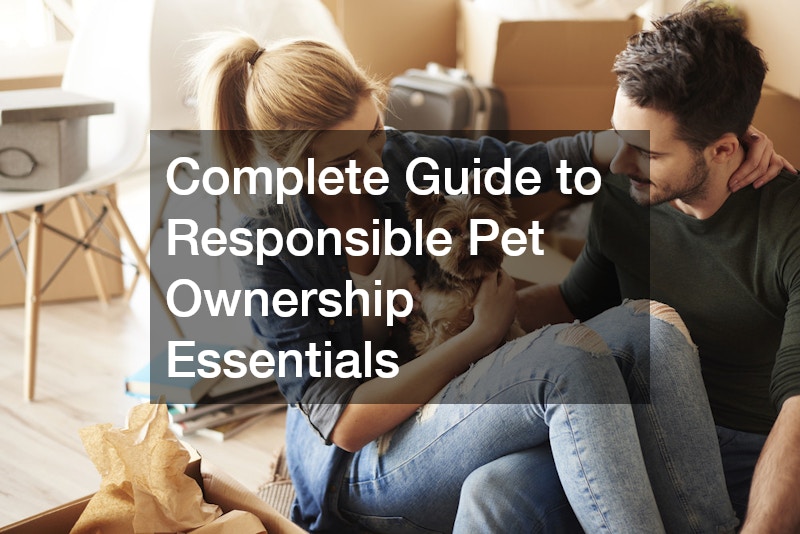
Bringing a pet into your home is a long-term commitment that extends far beyond food bowls and occasional playtime. Responsible pet ownership means actively investing in an animal’s physical health, emotional well-being, safety, and development throughout its entire life. Whether you’re welcoming a new puppy or caring for an older companion, the choices you make every day shape their quality of life.
Pets rely entirely on their owners for structure, stability, and care. This includes everything from establishing routines and providing proper nutrition to ensuring regular medical attention and emotional enrichment. A well-cared-for pet is typically healthier, more social, and more comfortable in its environment.
This guide will walk through essential aspects of responsible ownership, offering practical advice you can apply immediately. From training and healthcare to grooming, travel planning, and emergency preparedness, each section is designed to help you become a more confident and capable pet owner.
Creating a Strong Foundation for Daily Pet Care

A safe and stable home environment is the starting point for responsible ownership. Pets thrive when they understand their surroundings and have predictable routines. This means setting up spaces where they can eat, sleep, play, and relax without stress or confusion. Predictability helps reduce anxiety, especially for newly adopted animals who are still adjusting to unfamiliar sounds, smells, and household rhythms.
One of the most important steps is pet-proofing your home. Remove toxic plants, secure electrical cords, and store harmful foods out of reach. It’s also important to think like your pet—low shelves, open trash bins, and small objects on the floor can quickly become hazards. Establish designated feeding and resting areas so your pet can associate specific spaces with comfort and safety. Over time, this structure helps reinforce good behavior and reduce destructive habits.
Routine care also plays a major role in long-term wellness. Regular checkups, vaccinations, and preventive screenings help detect issues early and maintain overall health. Building a relationship with trusted professionals at vet clinics ensures your pet receives consistent and reliable care throughout their life. These visits also allow owners to ask questions about diet, behavior, and lifestyle adjustments as pets grow and change.
It’s also helpful to gradually introduce structure beyond the home. Short daily walks, scheduled play sessions, and calm rest periods all contribute to emotional balance. Even small inconsistencies in routine can lead to confusion or stress, especially in younger or more sensitive animals.
Key tips for daily care include:
- Maintain consistent feeding and walking schedules
- Provide mental stimulation through toys and interaction
- Monitor behavior changes that may signal health issues
- Keep living spaces clean and safe
- Rotate toys to prevent boredom and encourage curiosity
- Ensure fresh water is always available and easily accessible
By establishing these basics early, you create a foundation that supports every other aspect of responsible pet ownership.
Training, Behavior, and Early Development

Proper training is essential for raising a well-adjusted and confident pet. Dogs, in particular, benefit greatly from structured learning environments that teach obedience, social skills, and emotional regulation. Without clear guidance early on, pets may develop habits that are difficult to correct later, such as excessive barking, leash pulling, separation anxiety, or destructive chewing.
Working with a professional dog trainer can make a significant difference, especially for first-time owners or pets with behavioral challenges. Trainers help establish clear communication between you and your pet, reinforcing positive behaviors and addressing unwanted habits. They also teach owners how to interpret body language, which is crucial for understanding stress signals, excitement levels, and discomfort before they escalate into problem behaviors.
Early learning environments, such as puppy classes, are especially valuable. These programs allow young dogs to interact with others while learning foundational commands such as sit, stay, and recall. Socialization during this stage helps prevent fear-based behaviors later in life. Exposure to different people, sounds, and environments also builds confidence and adaptability, which is essential for long-term stability.
Training should not be limited to formal sessions. Reinforcement throughout daily life is just as important. For example, asking your dog to sit before meals or wait before going outside reinforces structure in everyday routines.
Effective training strategies include:
- Using consistent verbal commands and hand signals
- Rewarding positive behavior immediately
- Keeping training sessions short and engaging
- Gradually introducing distractions to reinforce focus
- Practicing commands in different environments for reliability
- Avoiding punishment-based methods that can damage trust
Consistency is the most important factor. Pets learn best when expectations remain stable across all environments and interactions. When training is reinforced at home, in public, and during play, it becomes part of the pet’s natural behavior rather than a forced routine.
Advanced Health Care and Emergency Readiness
As pets age, their healthcare needs become more complex. Routine visits are important, but owners must also be prepared for unexpected medical situations that require immediate attention. Senior pets may develop chronic conditions such as arthritis, kidney disease, or heart problems, which require ongoing monitoring and adjustments in diet, activity, and medication. Even younger pets can experience sudden emergencies, making preparedness essential at every life stage.
In more serious cases, access to animal hospitals becomes essential. These facilities are equipped to handle advanced diagnostics, surgeries, and critical care beyond standard treatment options. Knowing where your nearest hospital is located can save valuable time during emergencies, especially when every minute matters. It’s also helpful to understand which facilities offer 24-hour care so you are not left searching during off-hours or holidays.
When sudden symptoms appear—such as difficulty breathing, severe injury, collapse, seizures, or poisoning— urgent veterinary care should be sought immediately. Delays in treatment can significantly impact outcomes, making quick decision-making crucial. In these moments, staying calm and acting efficiently can help stabilize your pet while you arrange transport to professional care.
It’s also important to recognize that some emergencies are not obvious. Subtle signs such as sudden lethargy, refusal to eat, or abnormal vocalizations can indicate serious underlying issues that require prompt evaluation.
Important health preparedness steps include:
- Keeping emergency contact numbers easily accessible
- Understanding common signs of distress or illness
- Having a transport plan for emergency situations, including a secure carrier or leash
- Maintaining updated medical records for your pet, including vaccination history and medications
- Preparing a small emergency kit with essentials like gauze, saline solution, and a blanket
- Identifying a trusted emergency clinic in advance rather than during a crisis
Being proactive rather than reactive helps ensure your pet receives the best possible care when it matters most, reducing stress and improving outcomes during high-pressure situations.
Grooming, Hygiene, and Physical Maintenance
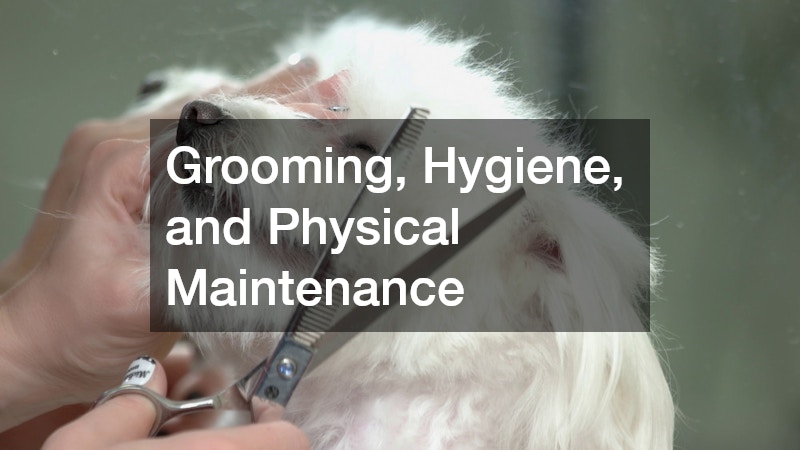
Regular grooming is more than just appearance—it plays a key role in your pet’s overall health. Clean fur, trimmed nails, and healthy skin help prevent infections and improve comfort. Grooming sessions also provide an opportunity to check for abnormalities, such as lumps, cuts, rashes, or parasites, that may otherwise go unnoticed during daily interaction. Early detection of these issues can prevent more serious health problems later on.
Professional animal grooming services offer expertise beyond basic home care. Groomers are trained to identify skin issues, parasites, and coat abnormalities that may go unnoticed by owners. They also use specialized tools and techniques to safely manage difficult grooming tasks, such as dematting heavily tangled fur or handling anxious pets in a controlled environment. This can significantly reduce stress for both the pet and the owner, especially for animals that are not comfortable with at-home grooming routines.
In addition, experienced dog groomers can handle breed-specific grooming needs, ensuring coats are properly maintained and safely cared for. This is especially important for long-haired or double-coated breeds that require specialized care to prevent overheating, matting, and skin irritation. Some breeds also require regular trimming to maintain hygiene around sensitive areas.
Grooming is also closely tied to overall hygiene and comfort. Neglecting routine maintenance can lead to issues such as painful nail overgrowth, ear infections, and skin irritation from trapped dirt and moisture.
Essential grooming practices include:
- Brushing fur regularly to reduce matting and shedding
- Bathing with pet-safe shampoos as needed
- Cleaning ears to prevent infections and wax buildup
- Trimming nails to avoid discomfort and injury
- Checking paws for debris, cuts, or irritation after walks
- Maintaining dental hygiene through brushing or approved dental treats
Consistent grooming not only improves appearance but also strengthens the bond between pet and owner through regular handling and care, making pets more comfortable with touch and routine health checks over time.
Responsible Health Decisions and Long-Term Wellness
Making informed health decisions is a core part of responsible ownership. One important consideration for many pet owners is pet neutering, which can contribute to both population control and improved health outcomes. It is a preventive measure that not only supports community animal welfare but can also positively influence long-term behavior and temperament in some pets.
Neutering can reduce the risk of certain diseases and behavioral issues while also helping to prevent unwanted litters. Timing and procedure should always be discussed with a veterinary professional to ensure the best outcome for the individual animal. Recovery care is equally important, as pets may need temporary activity restrictions, pain management, and close observation during healing.
Long-term wellness also involves routine monitoring and preventive care. This includes vaccinations, dental health, and weight management. Small changes in appetite, energy levels, or behavior should never be ignored, as they can indicate underlying health concerns that benefit from early intervention.
Key considerations include:
- Consulting professionals about appropriate timing
- Understanding behavioral and health benefits
- Monitoring recovery and post-procedure care
- Maintaining a balanced diet and exercise routine
- Scheduling regular wellness exams to track long-term changes
These decisions contribute to a healthier, longer, and more stable life for your pet. Over time, proactive care helps reduce emergency situations and ensures your pet remains comfortable, active, and well-supported throughout every stage of life.
Safe Travel, Temporary Care, and Time Away from Home
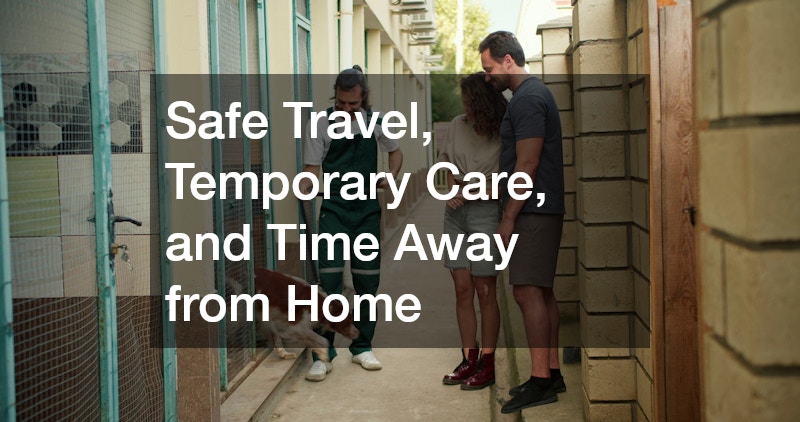
There will be times when pet owners must travel or temporarily leave their animals behind. Planning for these situations is essential to ensure pets remain safe and comfortable.
Reliable pet boarding options provide structured environments where animals receive supervision, feeding, and social interaction. These facilities are designed to reduce stress and maintain routine while owners are away.
Additionally, professional pet boarding services often offer enriched environments that include exercise areas, feeding schedules, and monitoring systems to ensure safety and comfort.
Preparation tips include:
- Visiting facilities in advance to assess conditions
- Packing familiar items like blankets or toys
- Providing clear feeding and medication instructions
- Ensuring vaccination records are up to date
Proper planning helps minimize stress for both pets and owners during periods of separation.
Recognizing and Responding to Health Emergencies
Emergencies can happen at any time, and being prepared can make a significant difference in outcomes. Pet owners should be able to recognize warning signs that indicate immediate medical attention is required.
Symptoms such as persistent vomiting, seizures, difficulty breathing, or sudden injury should never be ignored. In these situations, seeking urgent veterinary care without delay is critical.
Preparation strategies include:
- Learning basic first aid for pets
- Keeping a transport carrier ready for emergencies
- Knowing the fastest route to emergency facilities
- Staying calm to avoid delaying action
Quick recognition and response can often be the difference between recovery and serious complications.
Building a Long-Term Care Strategy for Lifelong Wellbeing
Responsible ownership is not just about daily care—it requires long-term planning. Pets change as they age, and their needs evolve over time. Creating a structured care strategy ensures they receive appropriate support at every life stage.
This includes budgeting for routine care, emergency expenses, and preventative treatments. Establishing relationships with trusted professionals helps ensure continuity of care and better health outcomes.
Long-term planning should focus on:
- Regular health evaluations
- Preventive care scheduling
- Financial preparedness for unexpected costs
- Consistent communication with care providers
By taking a proactive approach, owners can reduce stress and improve their pets’ quality of life in the long term.
Responsible pet ownership is a continuous journey that requires commitment, awareness, and compassion. From daily routines and training to healthcare planning and emergency preparedness, every decision contributes to your pet’s well-being.
By investing time and effort in understanding your pet’s needs, you create a stable, nurturing environment where they can thrive. Strong relationships with professionals, consistent care routines, and informed decision-making all play a vital role in ensuring a happy and healthy life for your companion.
Ultimately, responsible ownership is about more than meeting basic needs—it is about building a lifelong bond based on trust, care, and mutual respect.