
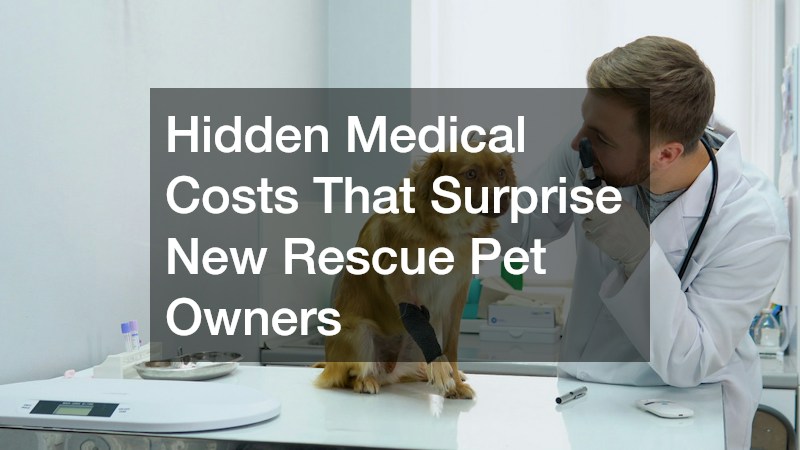
Bringing home a rescue pet feels like a bargain compared to buying from a breeder, but many new owners quickly discover that the adoption fee is just the beginning. Behind that wagging tail or hopeful purr can be months of unknown history, untreated conditions, and stress-related health issues that surface once the animal settles into its new home. Understanding these hidden costs before you adopt can help you budget realistically and avoid financial panic down the road. This guide walks through the most common surprise expenses so you can prepare with confidence rather than regret.
Dental Disease Discovered After Adoption
Many shelter animals, especially older dogs and cats, arrive with dental problems that were never treated because of neglect or lack of prior veterinary care. A basic adoption exam often only catches obvious issues, leaving tartar buildup, cracked teeth, or hidden infections undiagnosed until a more thorough checkup happens weeks later. Dental cleanings performed under anesthesia, which are often necessary for a proper assessment, can run several hundred dollars or more depending on how many extractions are needed.
New owners are frequently shocked when a routine checkup turns into a quote for oral surgery. It helps to ask the shelter directly about any known dental history and to schedule a dental evaluation within the first month of adoption rather than waiting for visible symptoms like bad breath or difficulty eating.
- Tartar and gum disease are common in rescues over age three
- Anesthesia-based cleanings typically cost more than routine wellness visits
- Extractions add significant cost depending on the number of affected teeth
- Pain medication and antibiotics are often required after dental procedures
Parasite Treatment Beyond the Initial Screening
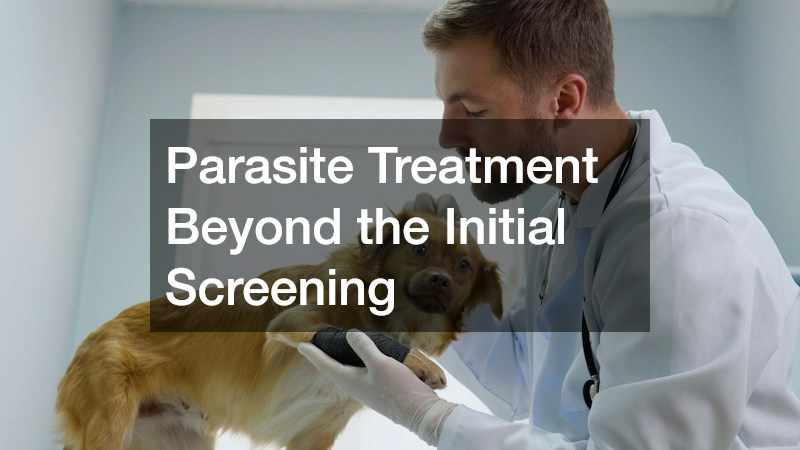
Shelters usually test for the most common parasites, but that single test doesn’t guarantee a clean bill of health. Heartworm, tapeworm, and intestinal parasites can take time to show up, especially if the animal was recently exposed before intake. New owners often assume the shelter’s deworming treatment was a one-time fix, when in reality it may need to be repeated or expanded based on follow-up testing.
Chronic skin conditions caused by fleas or mites are another frequent surprise, particularly in animals that spent time outdoors or in overcrowded environments. Treating these conditions often requires prescription-strength medication rather than over-the-counter products, and severe cases may need multiple rounds of treatment before symptoms clear up completely.
- Heartworm treatment can be a multi-month process with follow-up bloodwork
- Mite infestations like mange often require weekly vet visits
- Flea allergies can cause secondary skin infections needing separate treatment
- Fecal retesting is often recommended thirty days after initial deworming
Behavioral Stress and Its Physical Toll
The transition from shelter to home is stressful for most rescue animals, and that stress doesn’t stay purely emotional. Dogs and cats under chronic stress can develop digestive issues, loss of appetite, or compulsive behaviors like excessive licking that lead to skin sores. These symptoms often prompt a vet visit within the first few weeks of adoption, something many new owners don’t anticipate budgeting for.
In more serious cases, anxiety-driven behaviors can escalate to the point where a veterinary behaviorist or prescription medication becomes necessary. This is especially true for animals with unknown trauma histories, where standard training advice doesn’t resolve the underlying issue. Planning for a possible behavioral consultation, even if you hope not to need one, is a smart way to avoid being caught off guard.
- Stress colitis is common in the first two weeks after adoption
- Compulsive licking or chewing can require medicated shampoos or cones
- Appetite loss sometimes leads to vet-prescribed supplements
- Severe anxiety cases may need behaviorist referrals costing extra
Age Related Conditions Hiding Behind a Healthy Appearance
Rescue animals are sometimes listed with an estimated age that turns out to be inaccurate, and conditions like arthritis, early kidney disease, or vision loss can be missed during a quick intake exam. A pet that seems playful and alert at the shelter may show signs of age-related decline once it settles into a calmer home environment. Bloodwork and imaging are often needed to get a clearer picture, and these diagnostics add cost beyond the standard wellness visit.
Owners of senior rescues in particular should expect ongoing management costs rather than a single diagnosis and fix. Joint supplements, prescription diets, and periodic monitoring bloodwork become part of a recurring budget rather than a one-time expense.
- Senior pets often need biannual rather than annual checkups
- Arthritis management can include supplements, medication, or physical therapy
- Kidney and liver values are commonly monitored through regular bloodwork
- Vision or hearing loss sometimes requires lifestyle adjustments at home
Sudden Illness and After Hours Care
One of the most financially jarring surprises for new rescue owners is an unexpected medical crisis that happens outside of normal business hours. A pet adjusting to a new home may hide symptoms of illness until they become severe, and conditions like bloat, poisoning, or sudden collapse require immediate attention rather than waiting for the next available appointment. In these situations, emergency vets become the only option, and their services typically cost significantly more than a standard clinic visit due to the specialized equipment and round-the-clock staffing involved.
It’s worth researching emergency vets near your home before a crisis happens, rather than scrambling to find one during a panic. Many areas have urgent care clinics that fall between a regular vet and a full emergency hospital, which can be a useful middle option for less severe but still concerning symptoms. Having this information saved in your phone ahead of time removes one layer of stress from an already difficult moment.
- Emergency visits often include triage fees in addition to treatment costs
- Overnight hospitalization can add substantially to the final bill
- Diagnostic imaging like X-rays or ultrasounds is common in emergency cases
- Pet insurance or a dedicated savings fund can help offset these unpredictable costs
Adopting a rescue pet remains one of the most rewarding decisions a new owner can make, but it helps to go in with realistic expectations about the medical road ahead. Setting aside a cushion for dental work, parasite treatment, behavioral support, age-related care, and the occasional emergency visit can make the difference between financial stress and confident pet ownership. Talk to your shelter about what’s already been treated, schedule a thorough wellness exam early, and start building a small emergency fund right away. With a bit of preparation, you can focus less on surprise bills and more on enjoying the bond you’re building with your new companion.