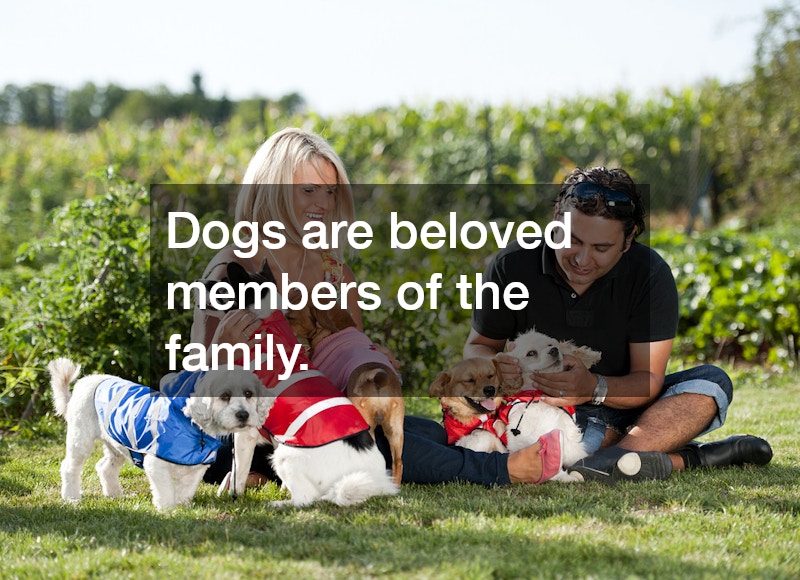

For millions of households around the world, dogs are not just animals that live in the backyard; they are beloved members of the family. We invest significant time, energy, and resources into ensuring they receive premium nutrition, regular veterinary care, and plenty of mental stimulation. However, there is one unavoidable aspect of canine companionship that rarely makes it into the glamorous highlights of pet ownership: dealing with the daily accumulation of waste.
While scooping the backyard is universally recognized as a tedious and unpleasant chore, many homeowners do not realize that how they manage this daily task has a direct impact on the health and safety of their household. For decades, a dangerous myth has persisted that canine waste acts as a natural fertilizer for lawns and can simply be left to decompose into the soil.
In reality, letting pet waste sit in the yard creates a hazardous environment for your grass, your family, and the local ecosystem. Understanding the science behind these hazards is the first step toward establishing a truly safe management routine.
The primary difference between canine waste and the manure used in commercial agricultural fertilizers lies in the diet of the animal. Cows, horses, and sheep are herbivores, meaning their waste consists of digested plant matter that breaks down into beneficial soil nutrients. Dogs, on the other hand, are carnivores or omnivores that consume highly concentrated, protein-rich diets. As a result, canine waste is remarkably acidic and packed with nitrogen. When left sitting on a lawn, this high chemical concentration acts as a subterranean herbicide, chemically scorching the grass and leaving unsightly yellow or dead brown patches across your property.
Beyond the aesthetic destruction of your landscaping, the true danger of accumulated pet waste is biological. Unlike herbivore manure, canine waste is a primary vector for a wide variety of harmful bacteria, viruses, and zoonotic parasites that can easily transition from animals to humans. A single gram of canine waste can harbor over twenty-three million fecal coliform bacteria, including dangerous strains like E. coli and Salmonella. Furthermore, if a dog is carrying common intestinal parasites such as roundworms, hookworms, whipworms, or microscopic protozoa like Giardia, their eggs are shed directly into the waste.
When waste is left to decompose naturally in the yard, these microscopic parasite eggs do not simply disappear. They wash off the solid matter and seep directly into the soil, where they can remain viable and infectious for months, or even years, regardless of extreme weather conditions. When young children play in the grass, or when you tend to your backyard garden, a simple hand-to-mouth transition can lead to severe accidental infection.
Additionally, the physical environment of an unscooped yard creates a continuous cycle of contamination for the pets themselves. When dogs run through a yard where waste has melted into the grass, microscopic bacteria and parasite eggs cling to their paws and fur. Once they return inside the home, they naturally groom themselves, re-infecting their own digestive tracts with parasites and tracking those same pathogens onto your carpets, rugs, and furniture. This indoor migration completely compromises the sanitary perimeter of your living room.
Managing this biological risk requires a strict, consistent routine of immediate containment and disposal. To maintain a genuinely safe backyard environment, waste should ideally be collected at least once every twenty-four to forty-eight hours, particularly in multi-dog households or homes with active young children. When collecting waste manually, utilizing heavy-duty, puncture-resistant bags and specialized, long-handled scooping tools is vital to minimize any physical contact or airborne proximity to the pathogens. Once collected, the material must be securely tied and placed inside a dedicated outdoor refuse container to prevent flies, rodents, and other pests from spreading the bacteria throughout the neighborhood.
However, for busy families, working professionals, and senior citizens, maintaining the rigorous daily schedule required to keep a backyard truly sanitary can be an overwhelming logistical challenge. Between juggling professional responsibilities, managing household tasks, and attending family commitments, the yard is often the last area to receive attention.
In response to this widespread modern dilemma, homeowners are increasingly turning to specialized exterior maintenance solutions. Delegating this hazardous chore to a professional dog waste cleanup service has transitioned from a luxury convenience into a highly practical strategy for household health management.
A professional service approaches the backyard with the same level of precision and sanitation that you would expect from any environmental health technician. Rather than relying on a casual scan of the lawn, a trained crew performs a comprehensive, overlapping grid search of the property to ensure that every single deposit—even those hidden deep within tall grass or beneath ornamental shrubbery—is completely extracted.
Furthermore, reputable professional services follow strict biosecurity protocols between properties to prevent cross-contamination. Technicians thoroughly sanitize all their boots, tools, and equipment with hospital-grade disinfectants before entering your gate. This ensures that any parvo, giardia, or other contagious pathogens present at a previous property are never accidentally introduced into your dog’s personal environment. The collected waste is then removed entirely from your property and disposed of in strict accordance with local municipal environmental codes.
Ultimately, keeping your home and yard safe from the hidden hazards of pet waste requires moving past old myths and treating the issue as a matter of environmental sanitation. Whether you commit to a rigorous daily personal scooping schedule or invest in the systematic protection of a specialized technician, keeping the lawn clear is a non-negotiable part of responsible pet ownership. By respecting the hidden biology of your backyard, you ensure that your outdoor spaces remain a clean, beautiful, and safe sanctuary for your entire family to enjoy.