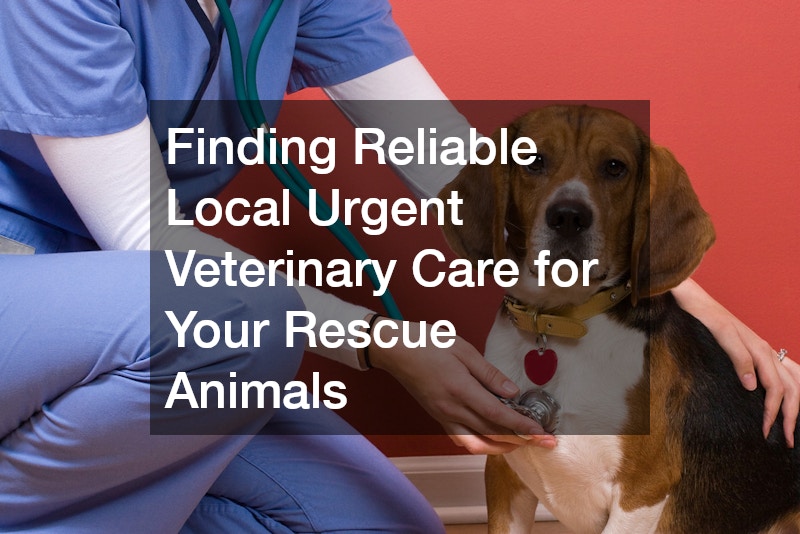
Caring for rescue animals requires dedication, patience, and access to the right medical support. Whether you are a rescue volunteer, foster parent, or shelter staff member, emergencies can arise unexpectedly. Having access to reliable local urgent veterinary care is essential to ensure that rescued animals receive prompt and effective treatment when they need it most. These situations often involve heightened stress, limited medical histories, and fragile health conditions, making timely professional care even more critical. Preparing in advance helps caregivers respond confidently and improves outcomes for vulnerable animals.
Why Reliable Urgent Veterinary Care Matters for Rescue Animals
Rescue animals often arrive with unknown medical histories or existing health challenges. Many have suffered neglect, injury, or illness before entering your care, making timely veterinary attention a top priority. Unlike routine vet visits, urgent veterinary care addresses sudden medical issues that require immediate attention but may not need the resources of a full emergency hospital.
Having dependable access to local urgent veterinary care means you can respond quickly to injuries, infections, or sudden illnesses without delay. This can significantly improve recovery outcomes and reduce stress for both the animal and caregivers. The availability of nearby urgent care services also provides peace of mind, knowing that expert help is within reach during critical moments.
How to Identify Trustworthy Local Urgent Veterinary Care Providers
Finding the right urgent veterinary care provider involves more than just location; it requires evaluating the quality, responsiveness, and experience of the clinic. Start by researching clinics in your area that offer extended hours or 24/7 services designed to handle urgent cases.
Check for certifications, staff qualifications, and the range of services available. Reliable clinics will have experienced veterinarians skilled in handling a variety of urgent conditions, including trauma, infections, allergic reactions, and gastrointestinal issues. Facilities should be equipped with diagnostic tools like X-rays, lab testing, and surgical equipment if necessary.
Reviews and recommendations from other rescue organizations, shelters, or animal welfare groups can provide valuable insights. Don’t hesitate to ask for references or speak with staff to gauge their understanding of rescue animals’ unique needs.
Building Relationships With Urgent Care Clinics
Establishing strong relationships with local urgent veterinary care providers benefits rescue operations in multiple ways. By connecting early, you can communicate the specific health challenges often seen in rescued animals, ensuring the clinic is prepared to provide appropriate care. This proactive approach reduces confusion during emergencies and allows staff to act quickly with confidence. It also helps clinics understand the mission and limitations rescue organizations may face.
Many clinics offer consultation services or training sessions for rescue volunteers, which can enhance your ability to identify urgent medical issues promptly. These educational opportunities empower caregivers to make informed decisions under pressure. Building trust with veterinary staff also means quicker referrals and smoother coordination in emergencies. Over time, these relationships create a collaborative care network that benefits everyone involved.
Having an open line of communication facilitates better follow-up care and continuity between urgent treatment and regular veterinary visits, which is essential for the long-term health of rescued animals.
Preparing for Emergencies: Tips for Rescue Caregivers
Being prepared can make all the difference when a rescue animal requires urgent veterinary care. Keep an updated list of local urgent care clinics, their contact information, and hours of operation easily accessible. Share this information with all members of your rescue team or household.
Create a basic emergency kit tailored to the needs of rescue animals, including items like gauze, antiseptic, and information about common symptoms that require urgent care. Educate yourself and your team on recognizing signs of distress or illness that warrant immediate attention.
Document the medical history, if known, of each rescue animal in your care and maintain clear records of treatments and medications. This information will be invaluable during urgent care visits, helping veterinarians provide the best possible treatment.
The Role of Local Urgent Veterinary Care in Rescue Success Stories
Countless rescue success stories highlight the pivotal role that local urgent veterinary care plays in saving lives. Prompt treatment of injuries or illnesses often makes the difference between recovery and deterioration.
Urgent care clinics are equipped to stabilize animals quickly, addressing pain, infection, or trauma so they can continue their journey toward healing and adoption. By bridging the gap between emergency hospitals and routine vets, these clinics provide accessible care that is both timely and cost-effective.
Rescue organizations often credit their partnerships with reliable urgent care providers as key factors in their ability to save more animals and improve overall health outcomes.
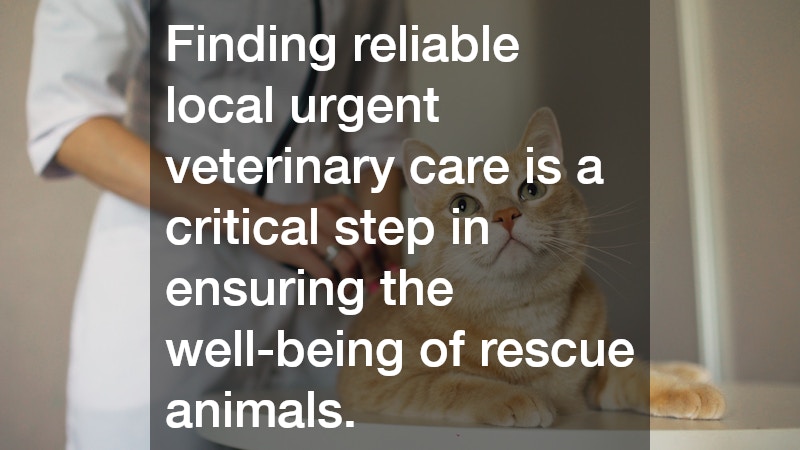
Finding reliable local urgent veterinary care is a critical step in ensuring the well-being of rescue animals. It empowers caregivers to respond swiftly to emergencies, improving the chances of recovery and providing a safer, healthier environment for rescued pets.
By researching, building relationships with clinics, and preparing for urgent situations, rescue volunteers and organizations can create a robust support system that meets the unique challenges these animals face. Ultimately, dependable local urgent veterinary care is not just a resource—it’s a lifeline that helps transform the lives of countless animals in need.